New fuel and oil tanks
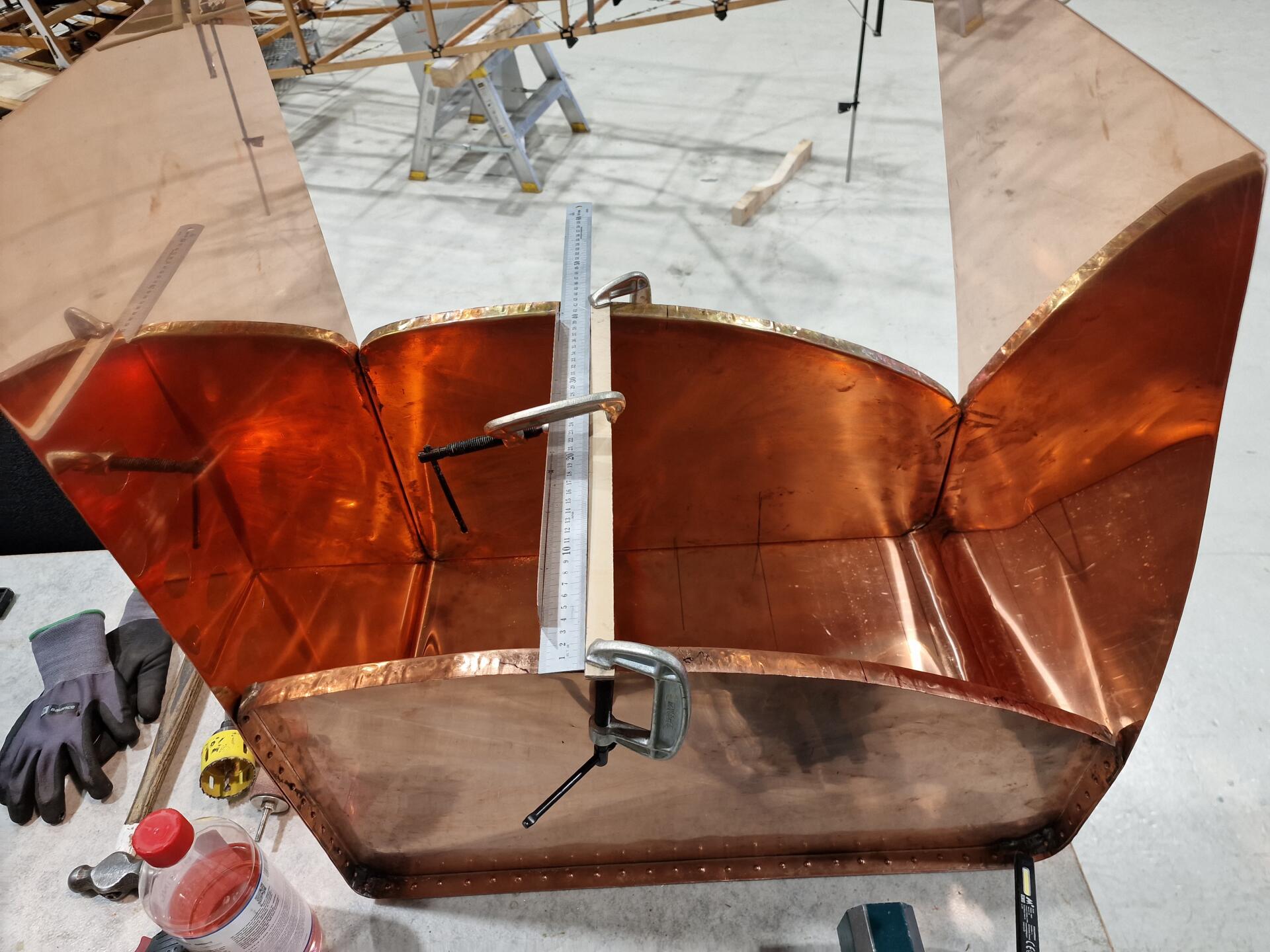
An elongated, round petrol tank came with the parts we received. It was very well made, and is placed behind the pilot's seat. Between the instrument panel and the firewall there are to be two more petrol tanks and an oil tank. These have now gone into production together with the associated parts.
Click on the pictures
© Arvid Martinussen (AM)
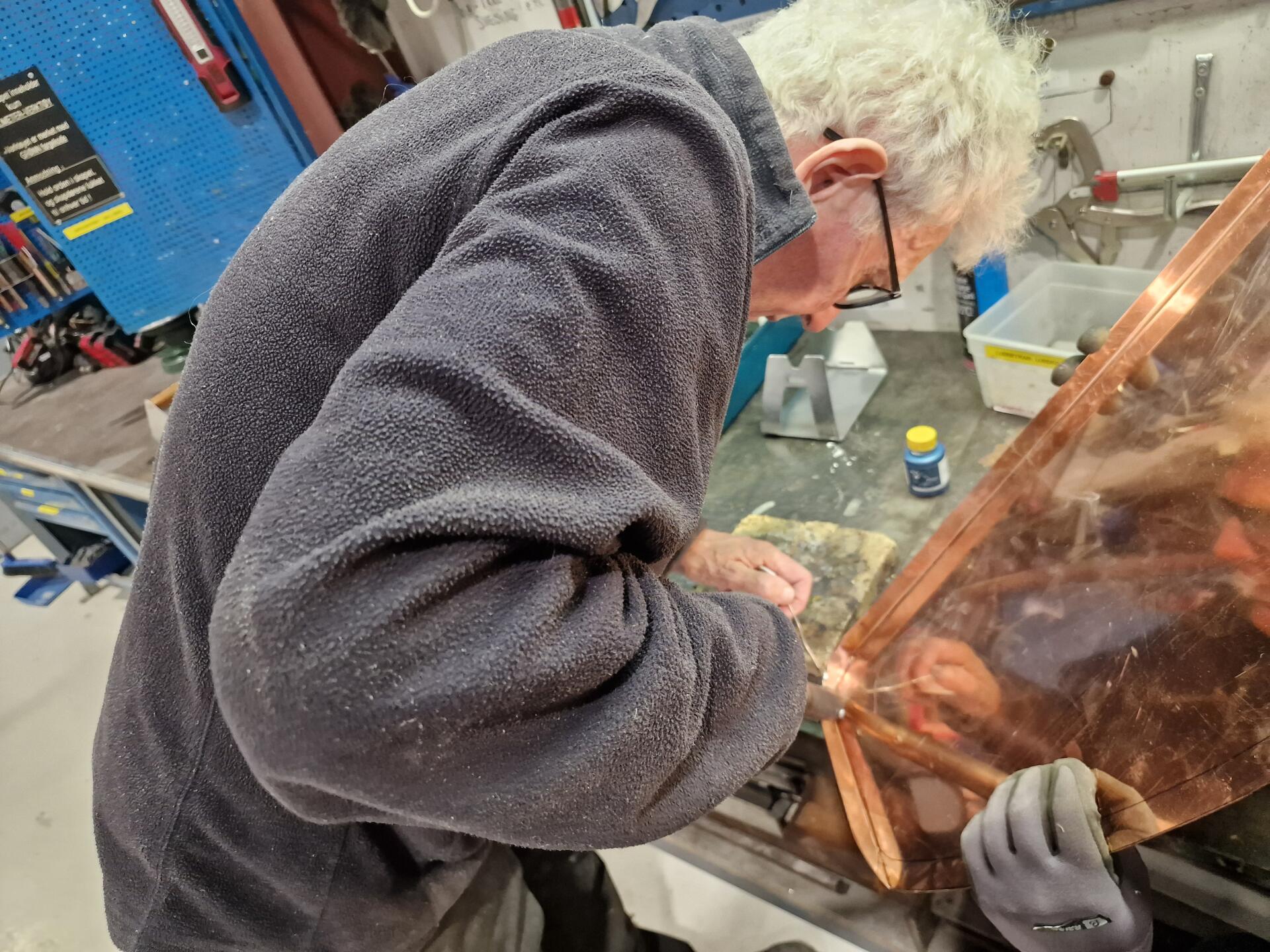
Gunnar is soldering the corners of the seams on one of the sides of a tank. For the job we have bought "a beast" of a soldering iron
© AM
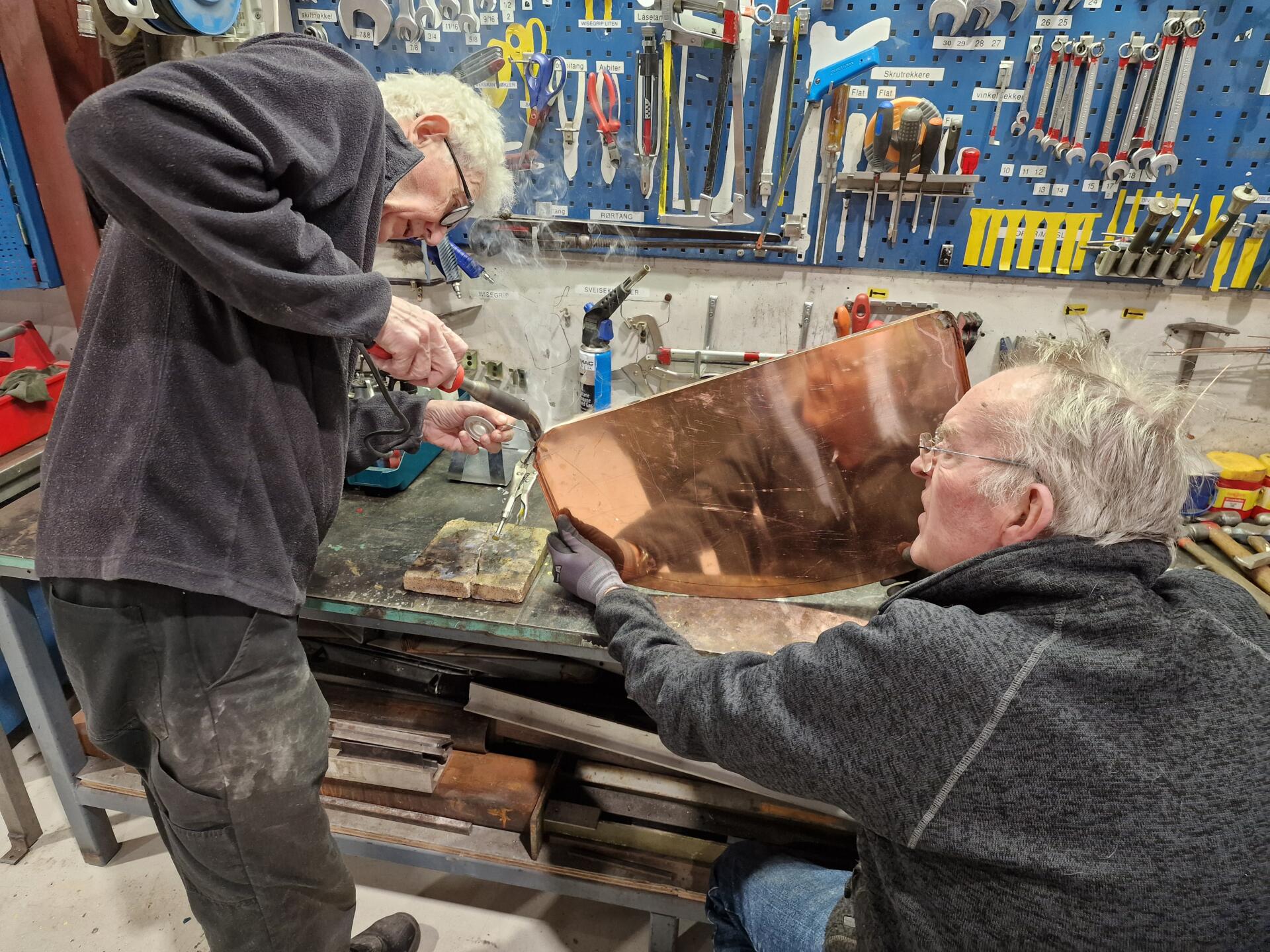
Ketil has done the sheet metal work and helps with the soldering.
© AM
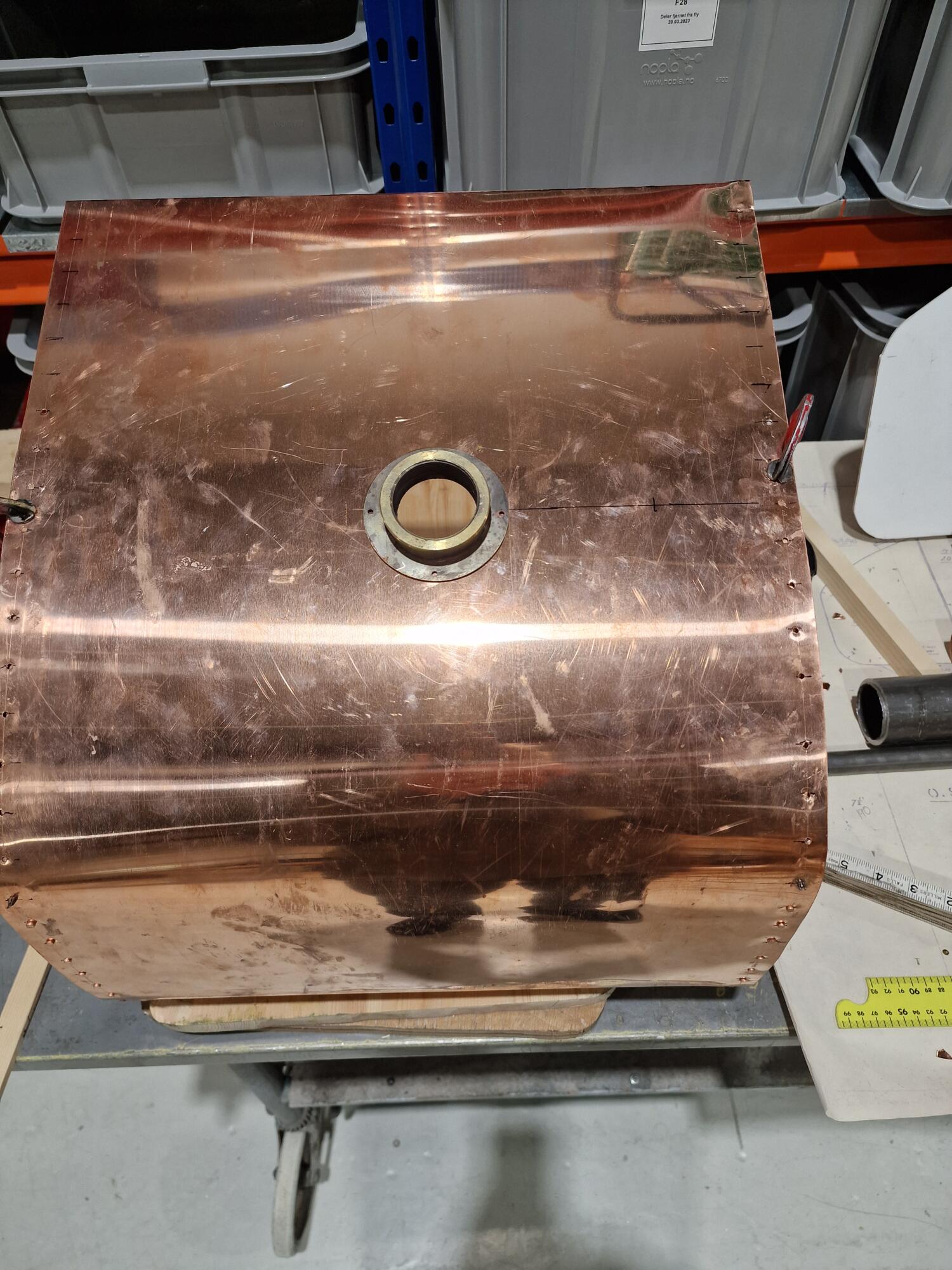
An almost finished tank. The filler hole is in place. The spigot is attached with rivets before it is soldered to the tank
© AM
To be mounted under the oil tank. A hose runs from this spigot to a corresponding one on the engine to supply the engine with oil.
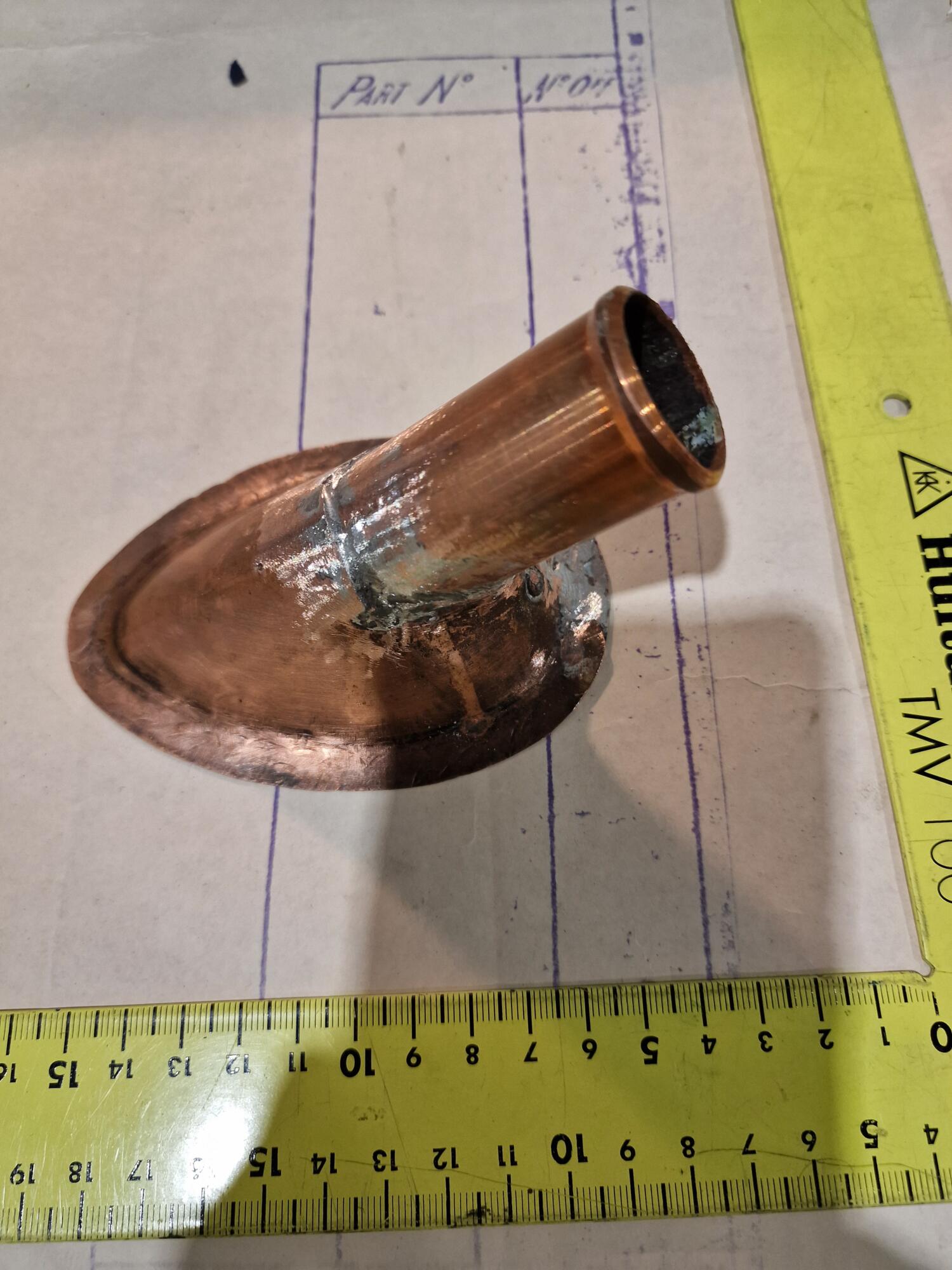
© AM
It is time-consuming work that has been done.
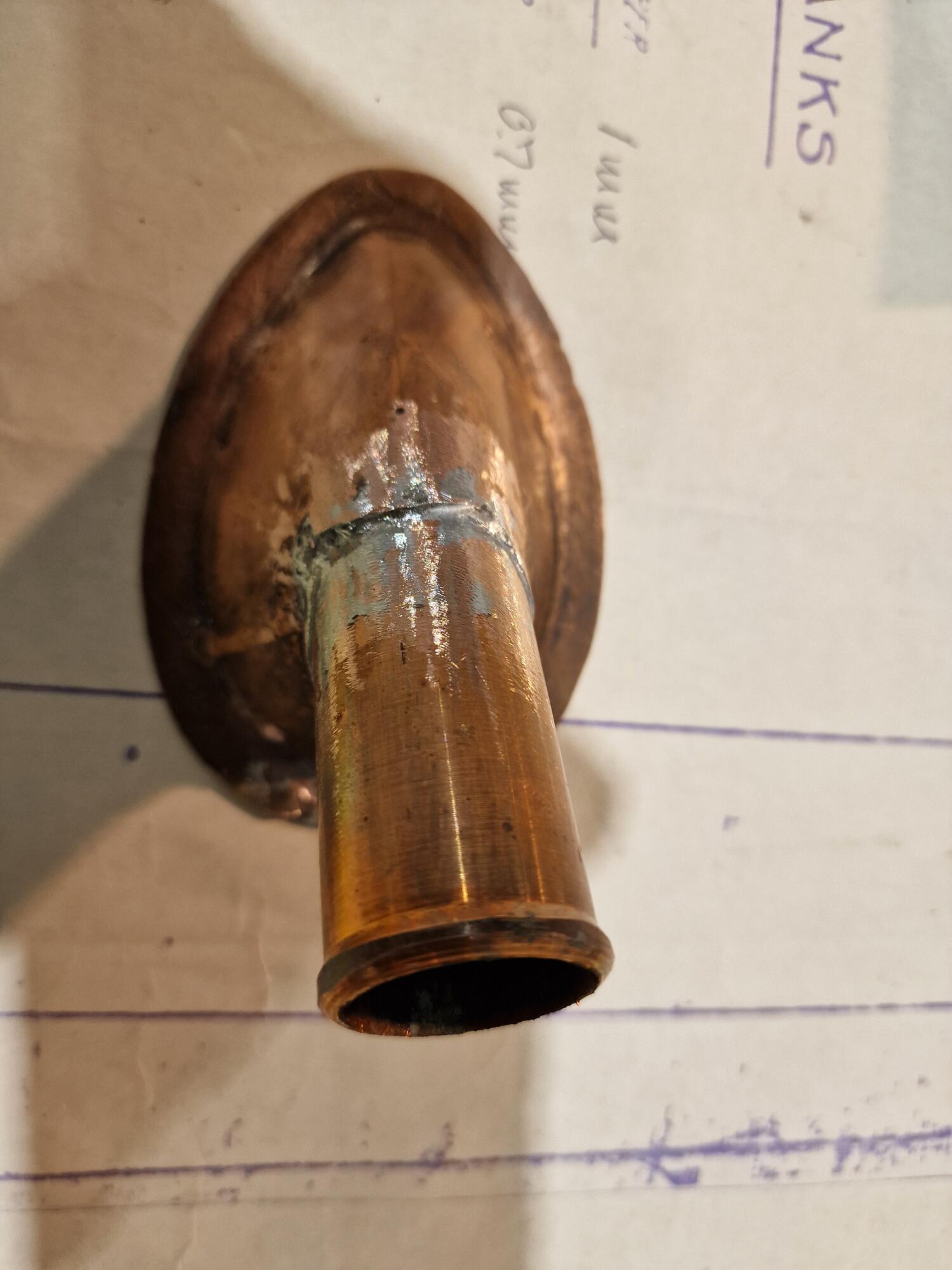
© AM
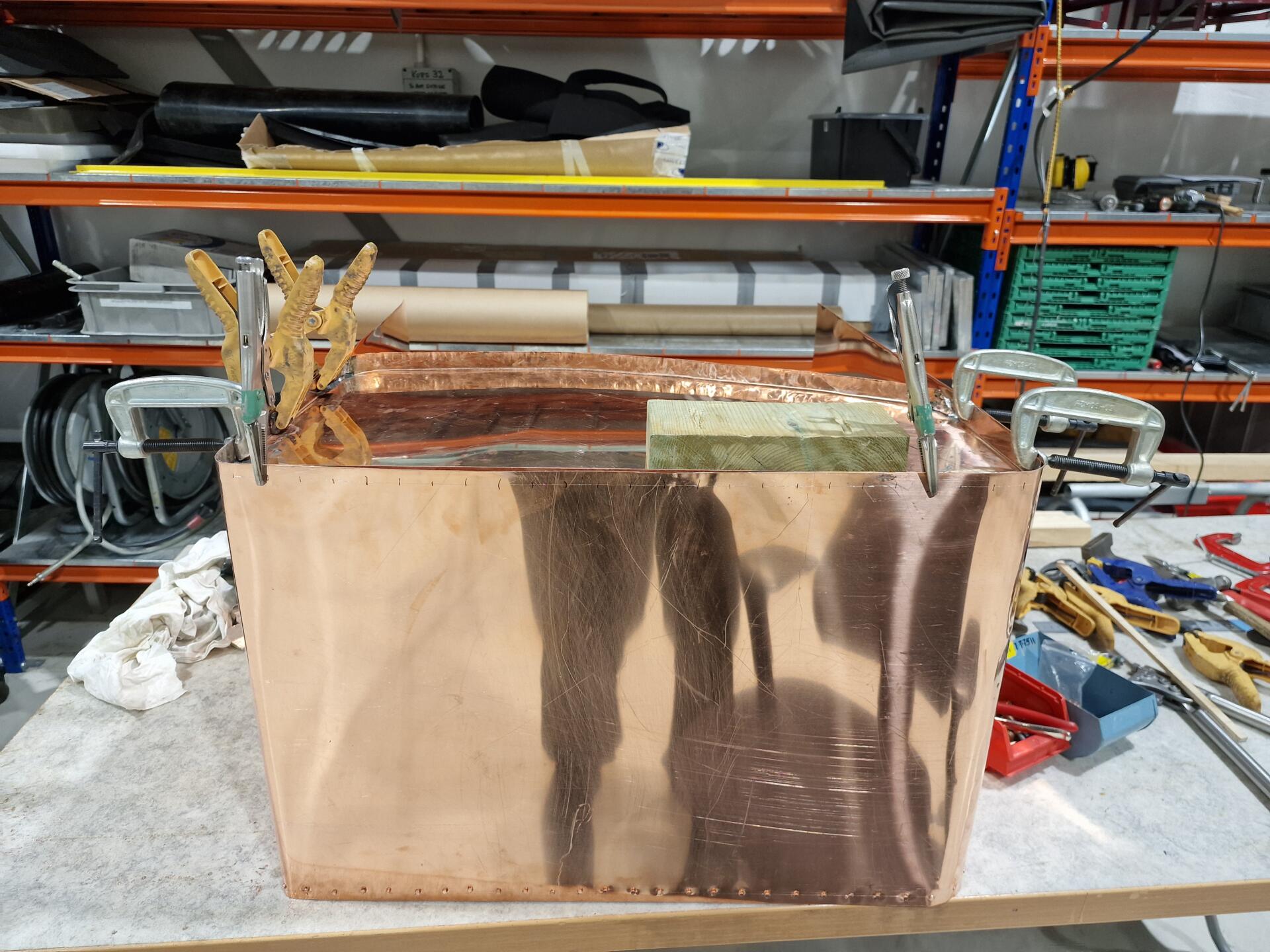
Where it is possible to reach with tools, copper rivets are used to hold the parts together before they are finally soldered.
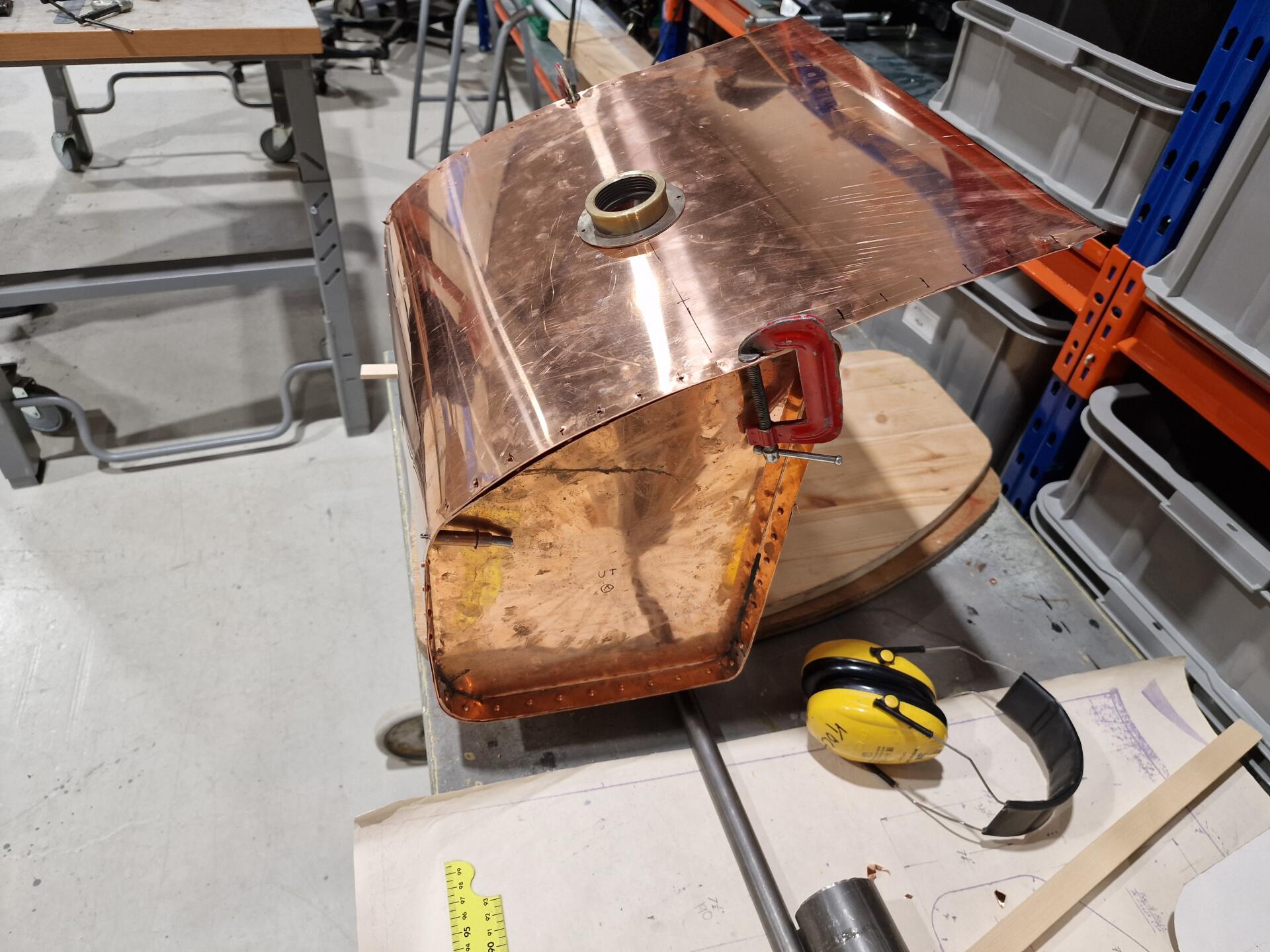
© AM
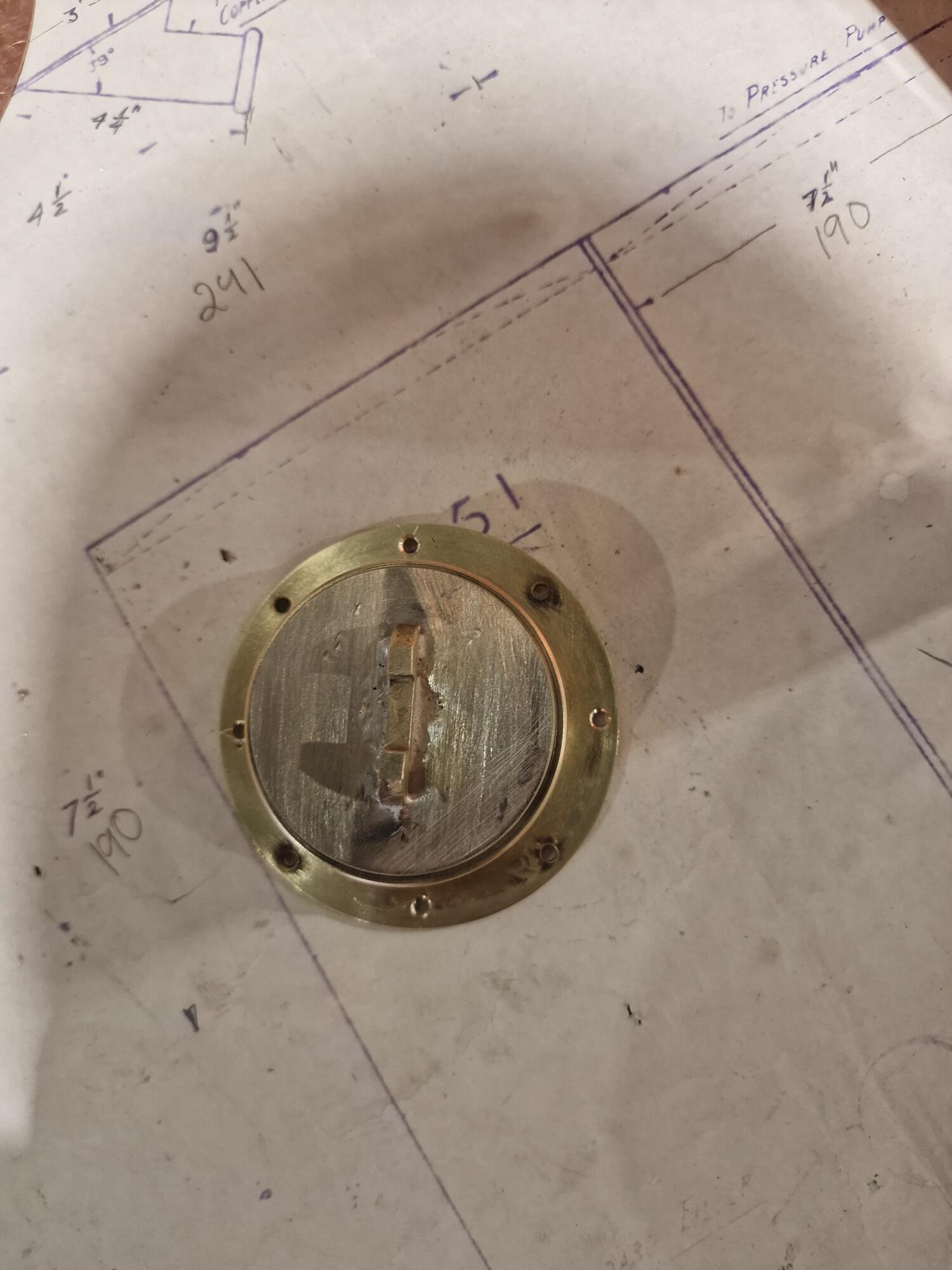
Per has made parts for the filling of the tanks in brass. When the heat work is done, the parts are polished so that we bring out the bright brass.
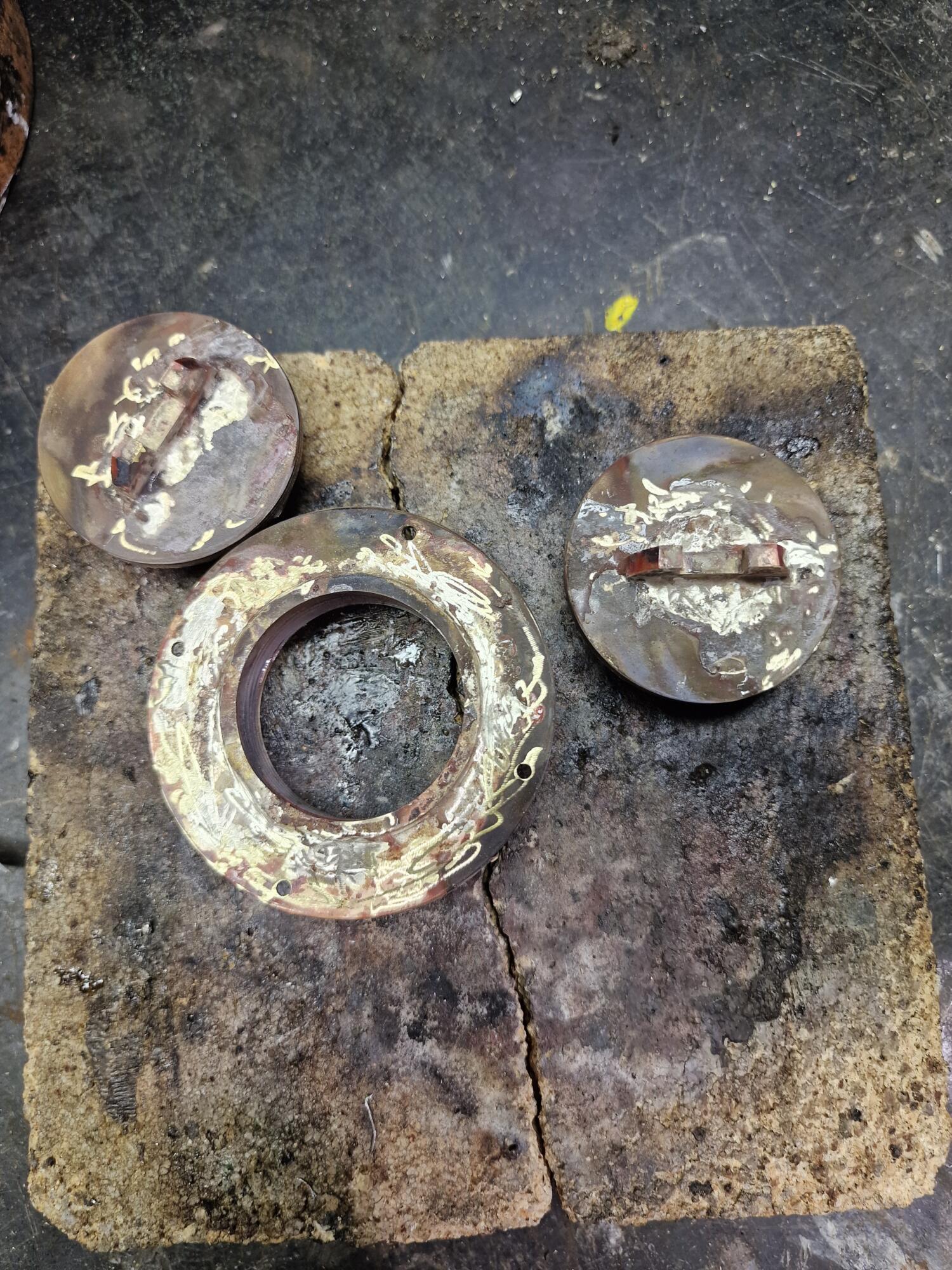
© AM
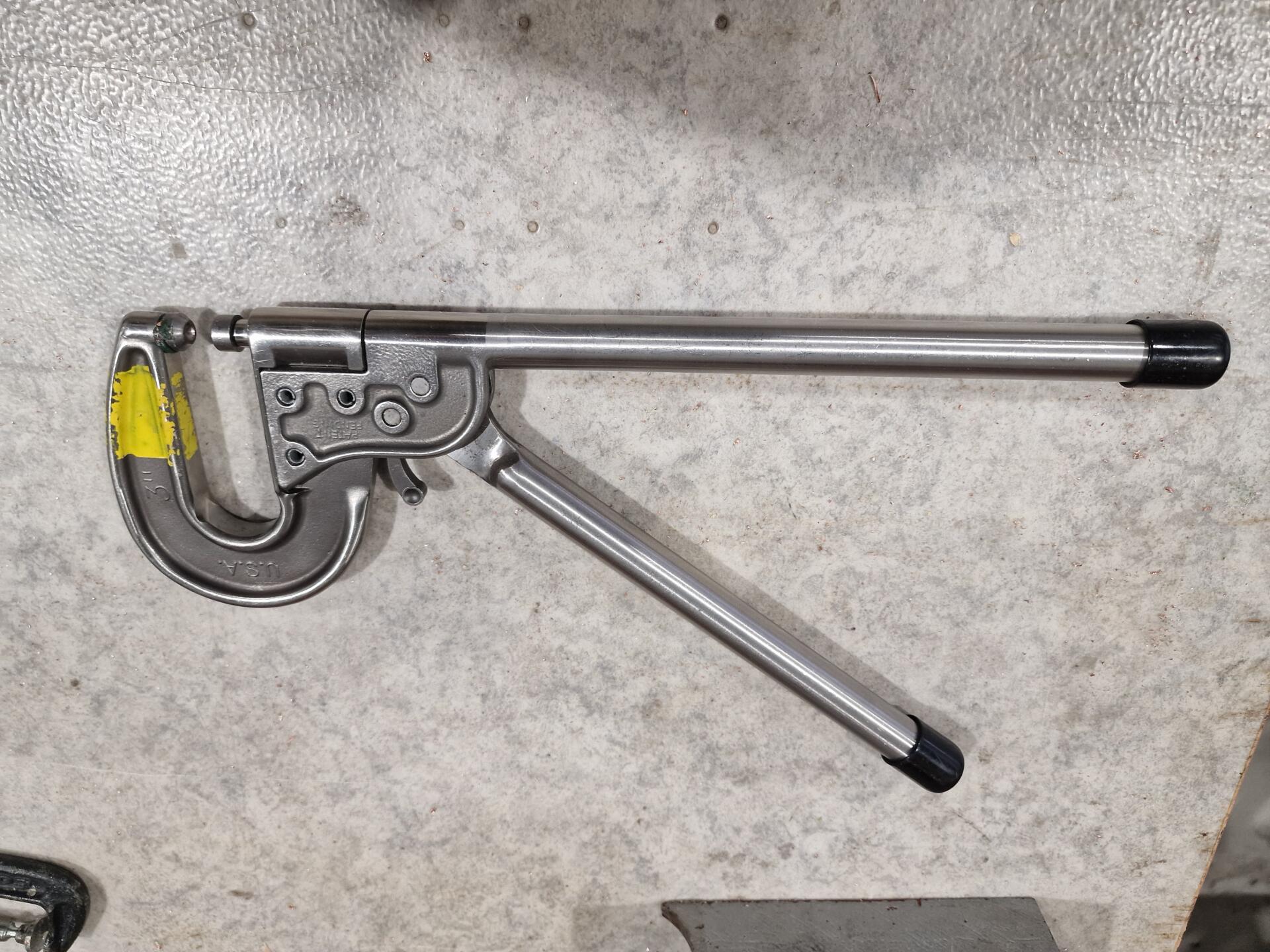
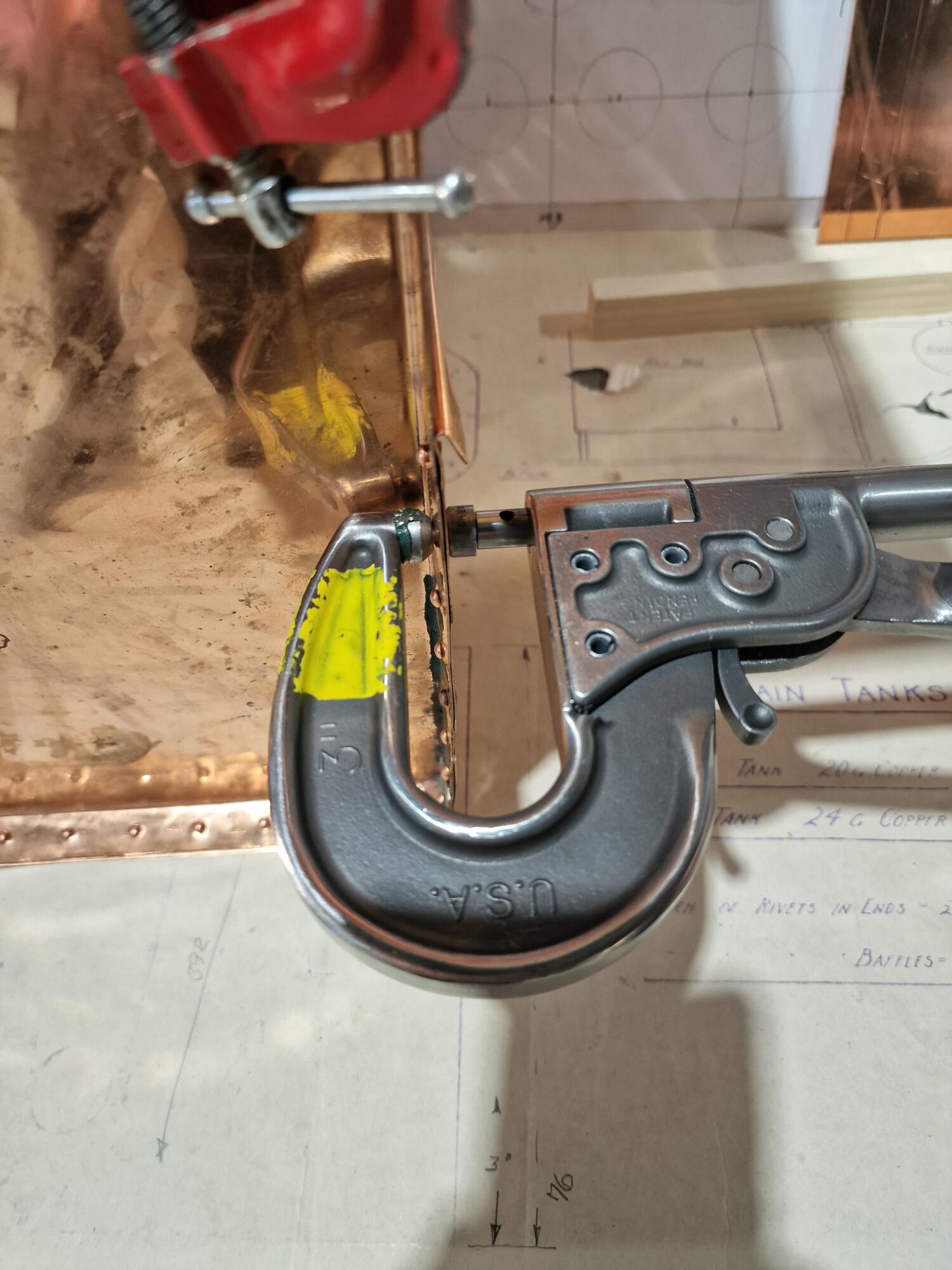
Where Ketil cannot reach with ordinary riveting tools, in this case a special pair of pliers called a "squeezer" that squeezes out the ends of the rivets, copper pop rivets are used.
© AM
This is what a "Squeezer" looks like
© AM
Squeezer in use.
© AM
Petrol filler. The brass has been sanded and polished.
© AM
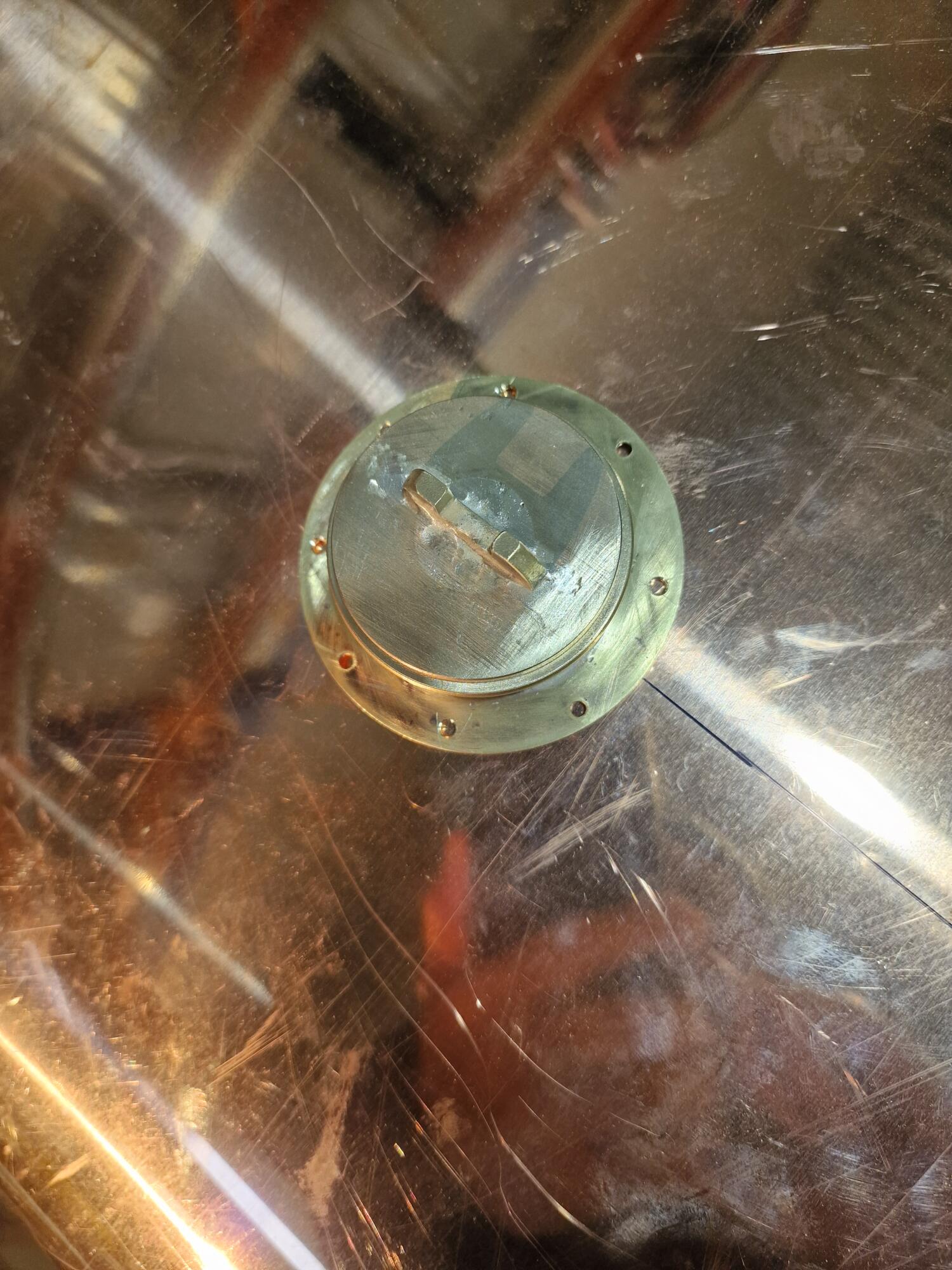
To be fastened with rivets before everything is soldered.
© AM
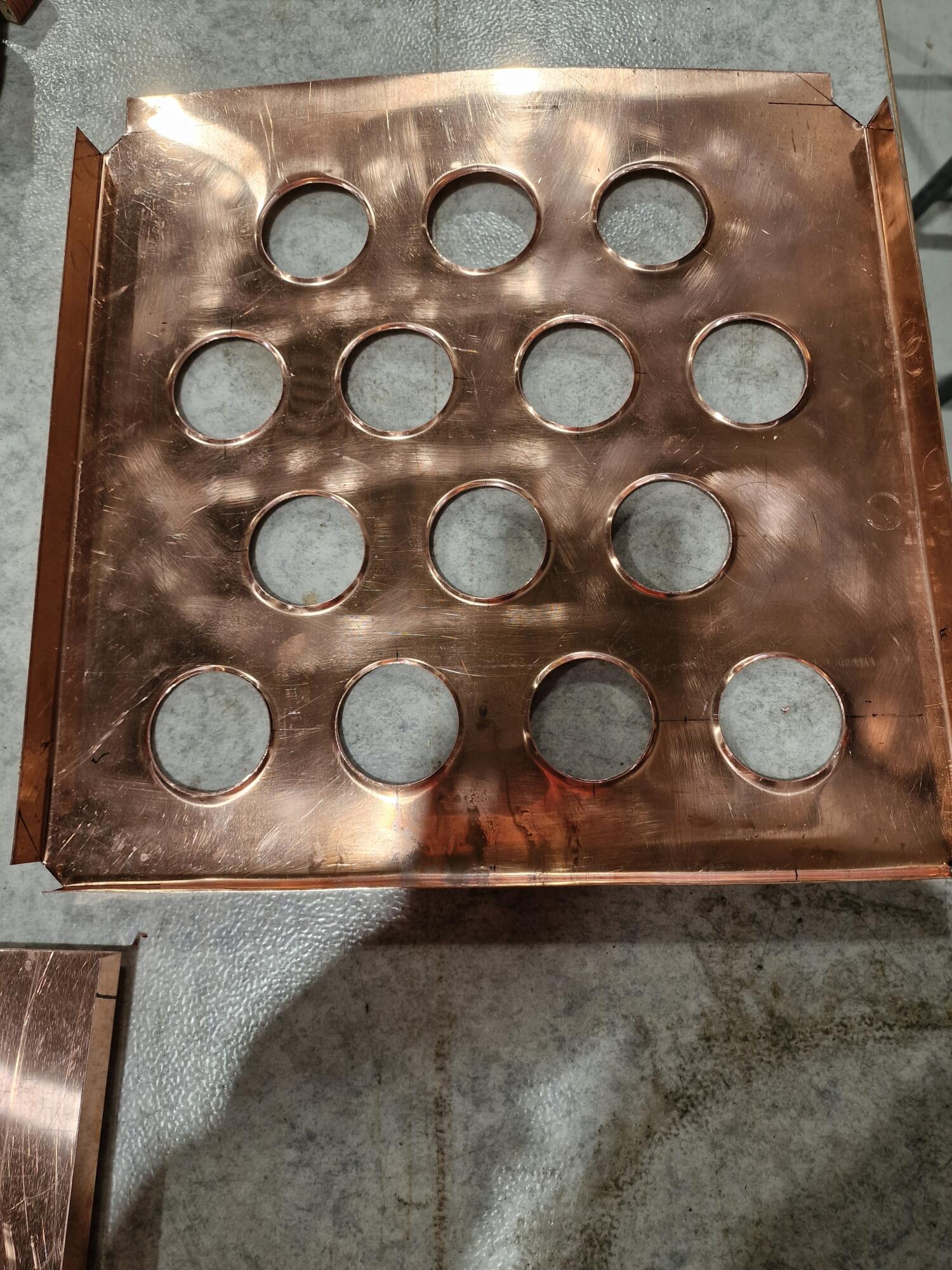
A baffle to prevent sloshing in the tank. Per made the tool that made it possible to punch out the holes.
© AM
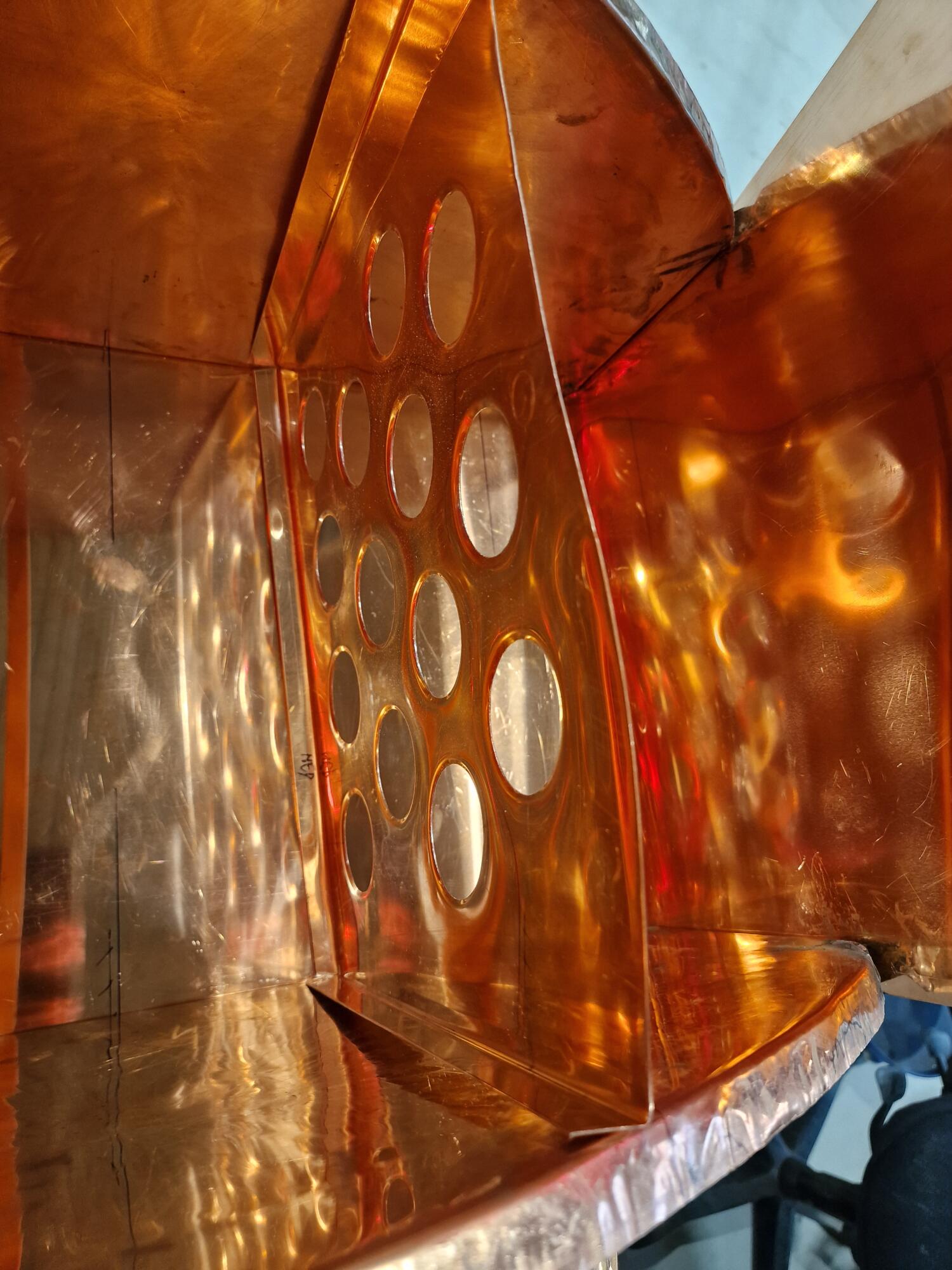
This is how the baffle is to stand in the tank.
© AM
There is still a lot of riveting left. In the hardest-to-reach places, copper pop rivets are to be used.