Radio - the original
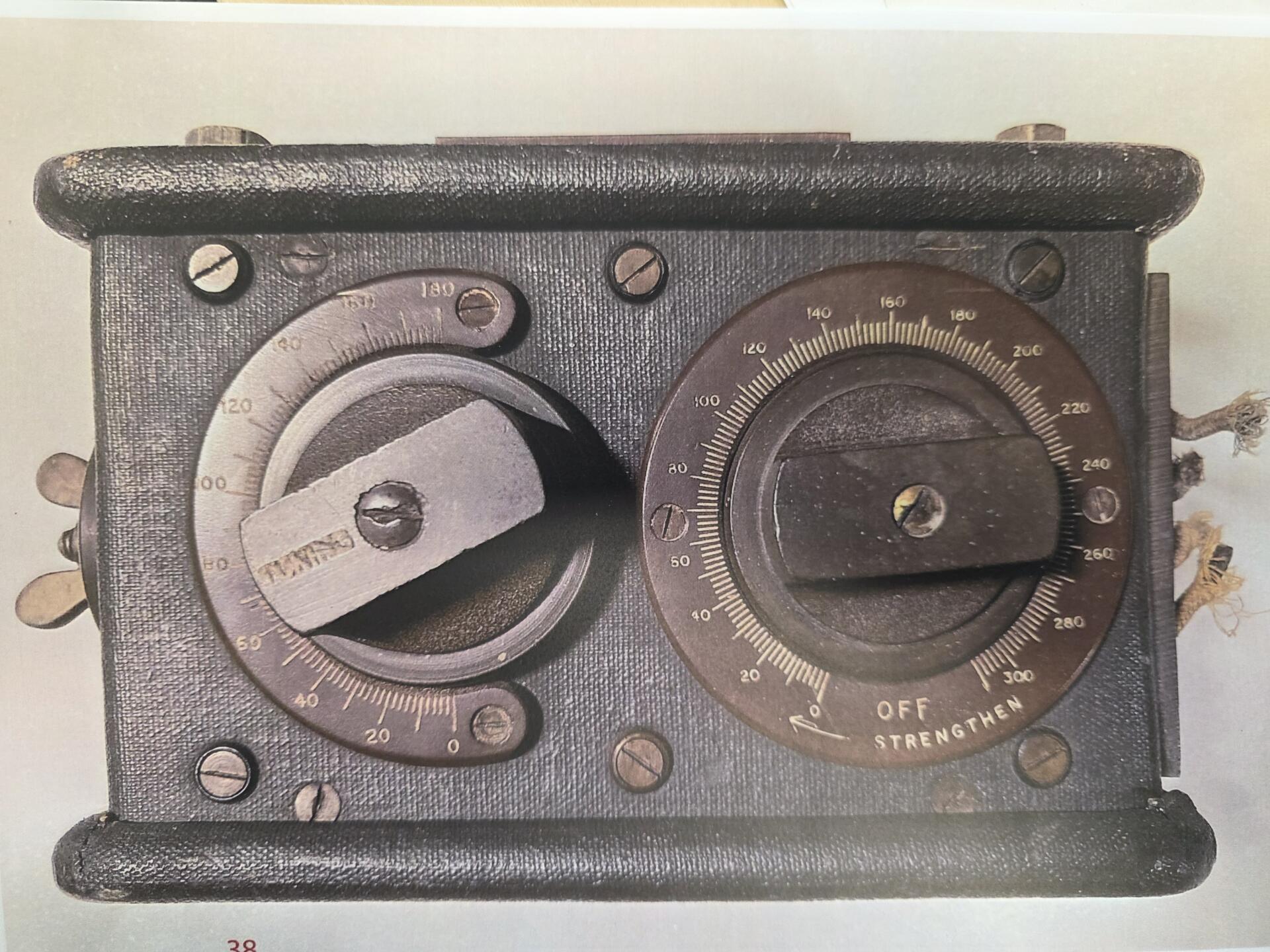
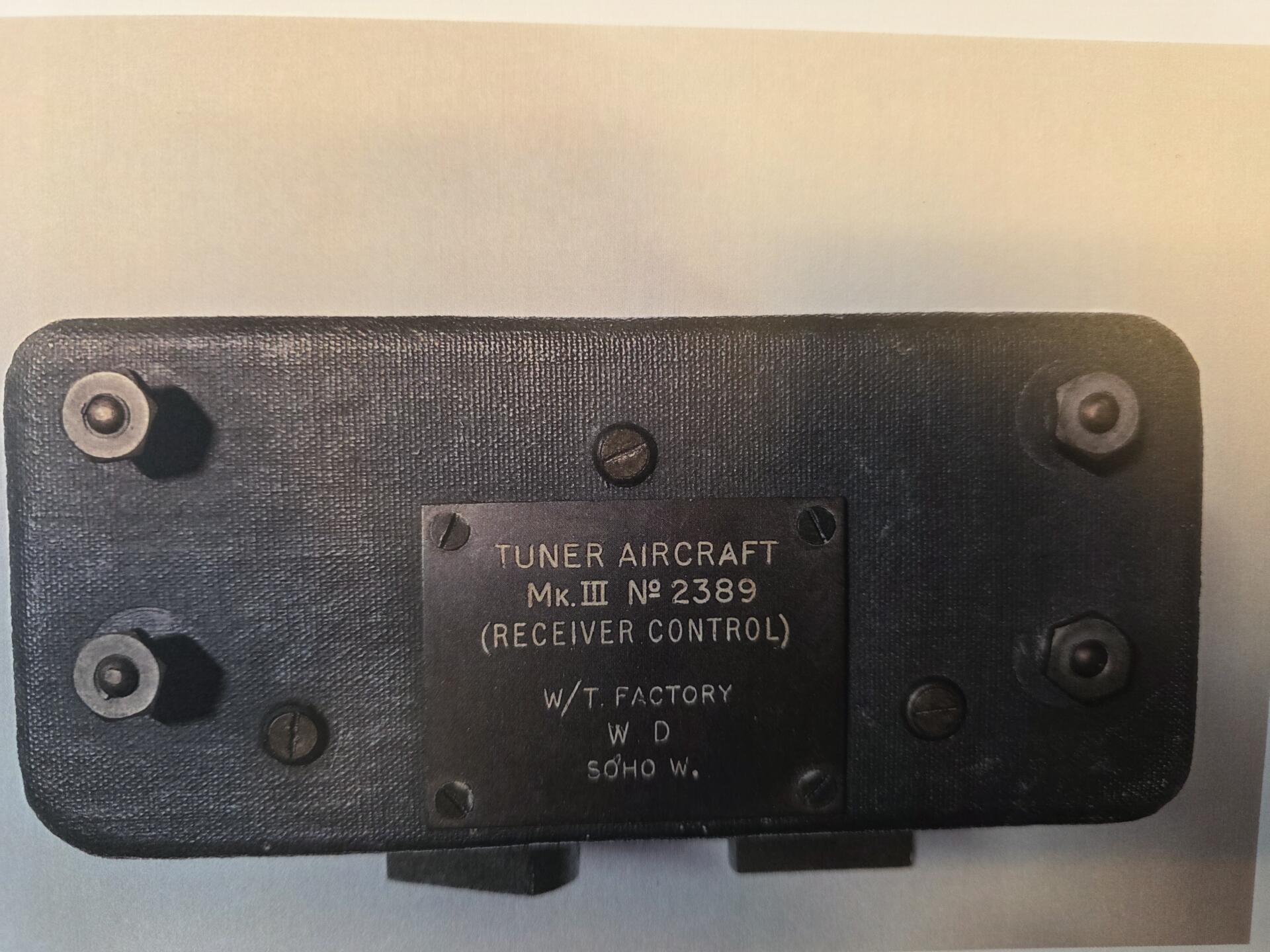
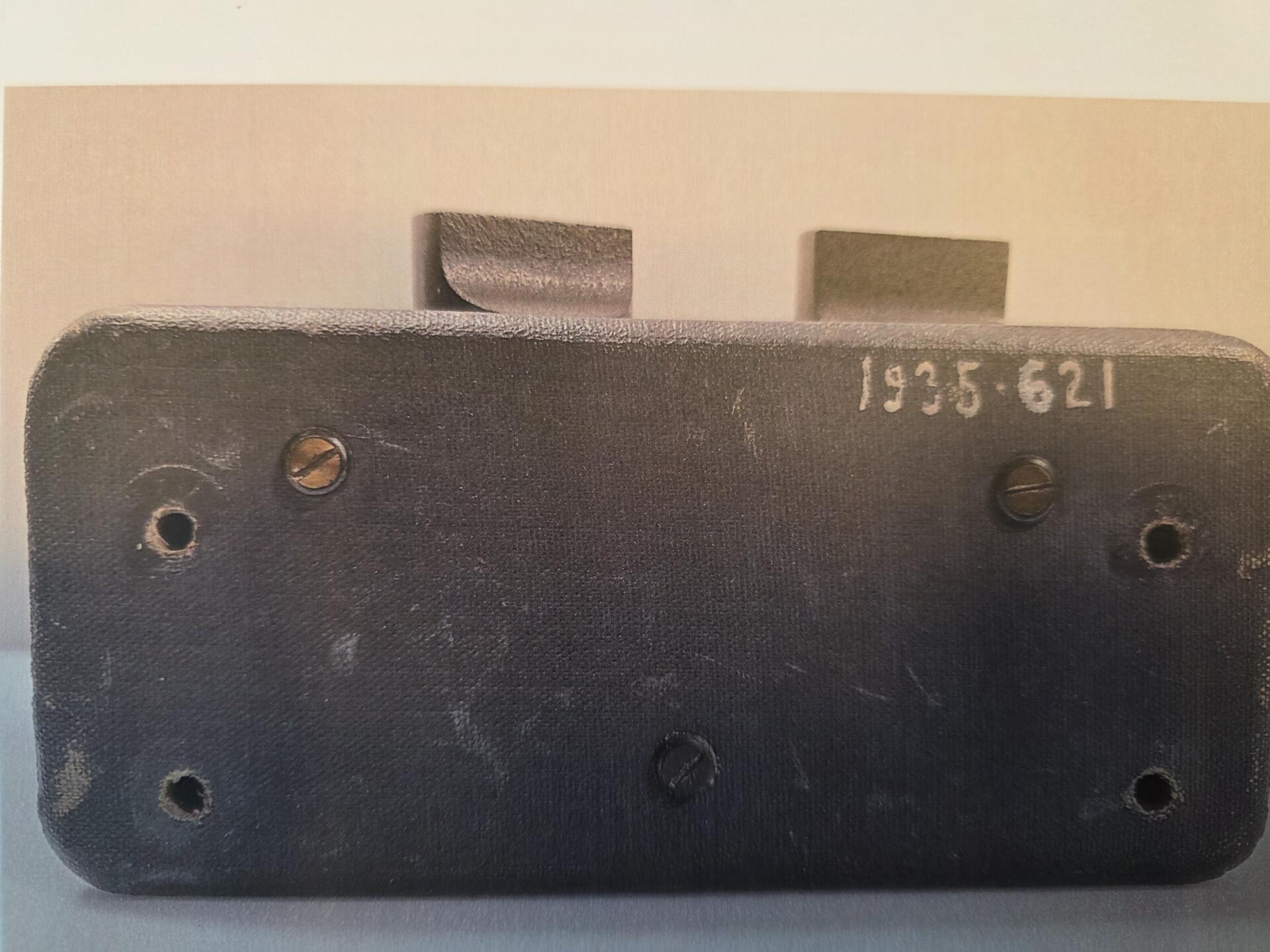
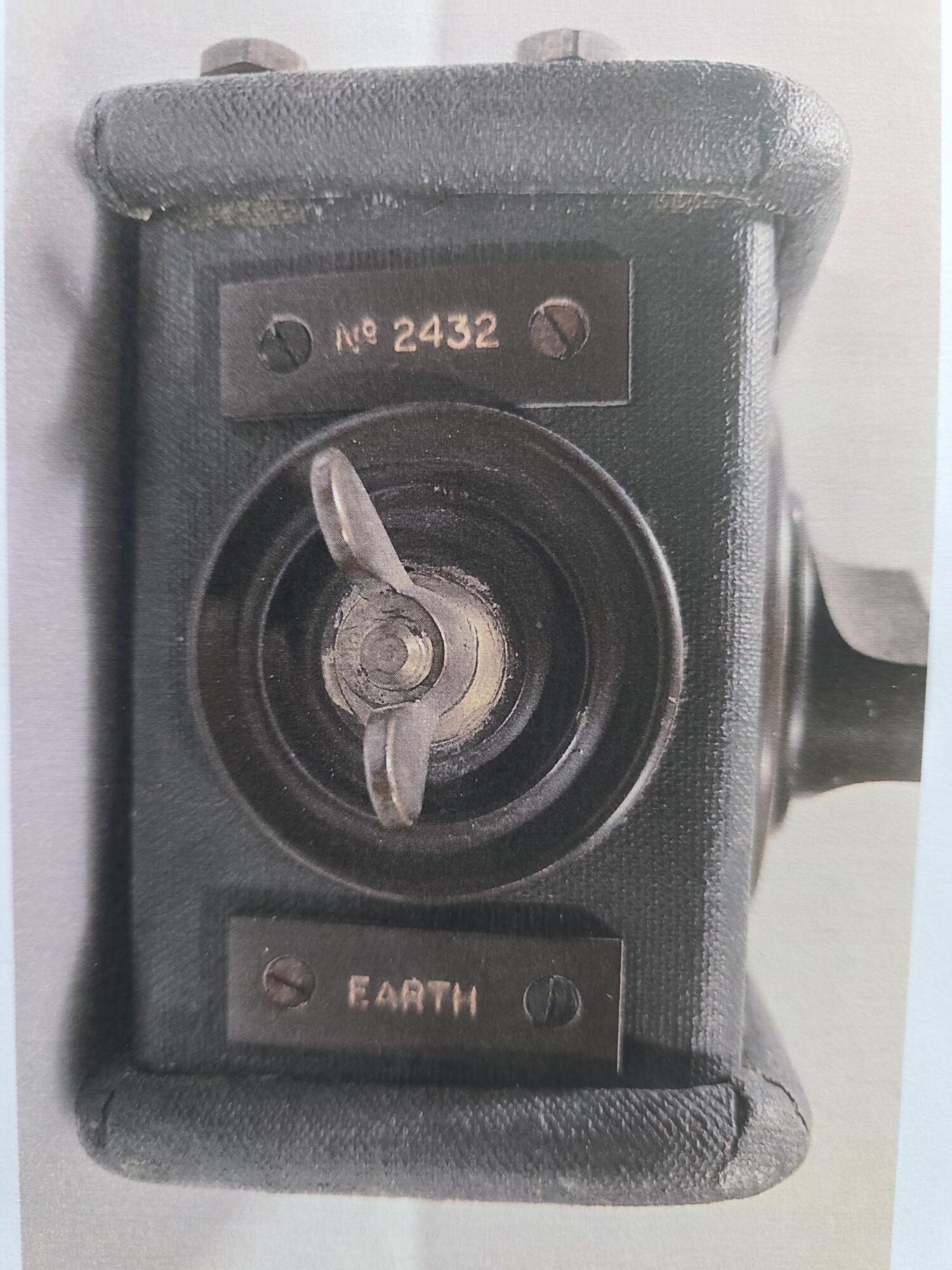
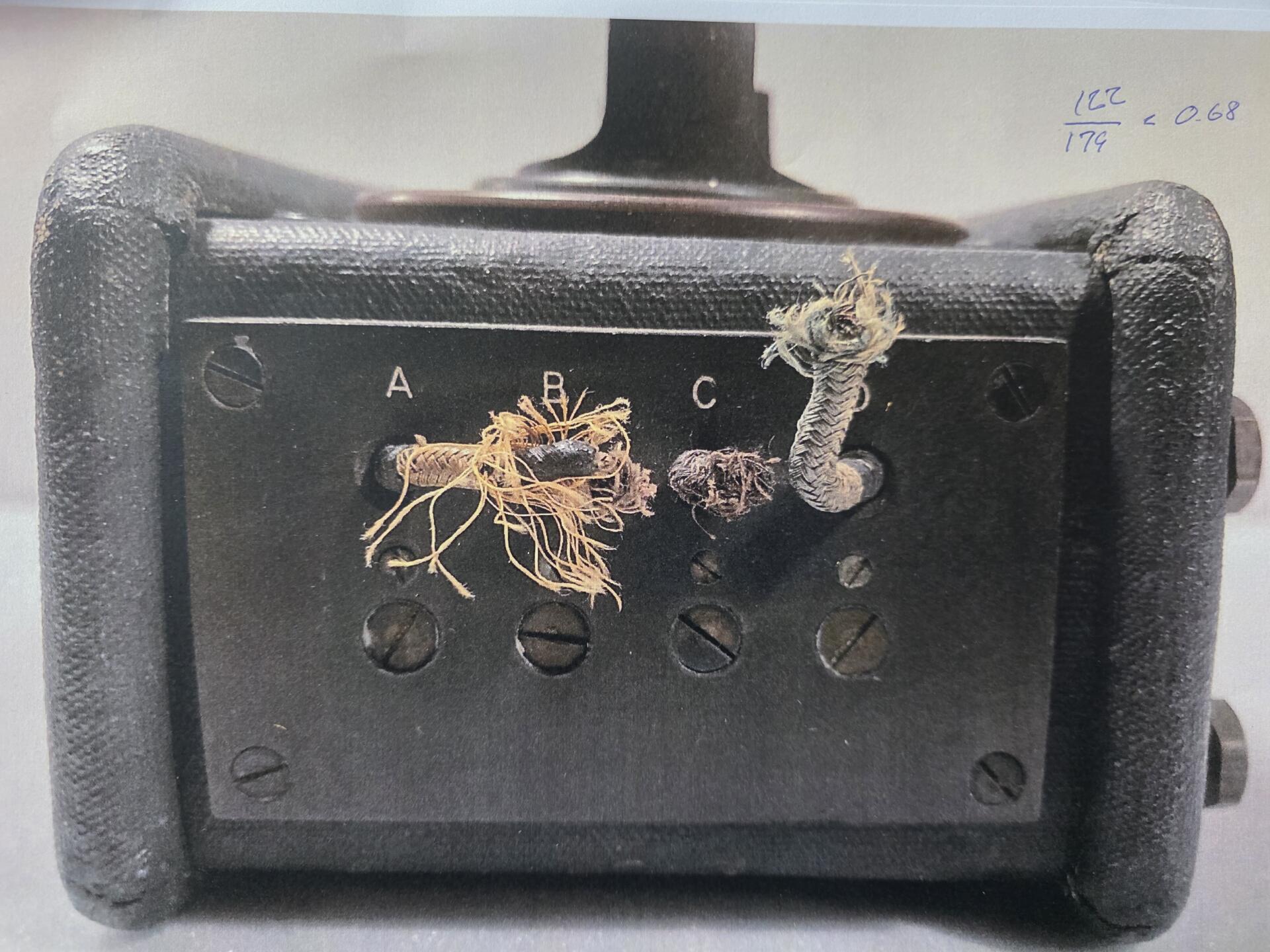
The radio consists of two main parts: the control box, pictured here, and the transmitter/receiver unit, of which we have not yet received pictures. We have received the pictures of the control box that sits in the cockpit from the Science Museum in London. We will be sent pictures of the radio unit itself later. Note that the control box is covered with fabric glued to the structure; the reason may be twofold: one may be to make the box waterproof, the other may be reinforcement. If you think this looks primitive, remember that these were probably the first aircraft in Norway with radio communication. They were meant to patrol the coast and report what they saw to the navy, which could take suitable measures. It was important for Norway to protect its neutrality and not be drawn into the ongoing conflict between the great powers. With this as a starting point, the aircraft were an important resource, and something far more than a toy for a handful of people who liked to show off their skills against a blue sky.
Click on the pictures
The radio consists of two main parts: A control unit which is pictured here and the transmitter/receiver unit which we have not yet received pictures of.
The pictures of the control unit which is located in the cockpit have been obtained from the Science Museum in London We will have pictures of the receiver/transmitter unit from another museum in England. Note that the box is covered with cloth. If you think this looks primitive, you must remember that these were probably the first aircrafts in Norway equipped with radio communication. They were meant to patrol along the coast and report what they saw to the navy who could take proper action. It was important for Norway to maintain its neutrality and not be drawn into the conflict between the fighting countries. With that as a starting point, the aircraft were something far more significant than a toy for a handful of people who liked to show off their skills against a blue sky.