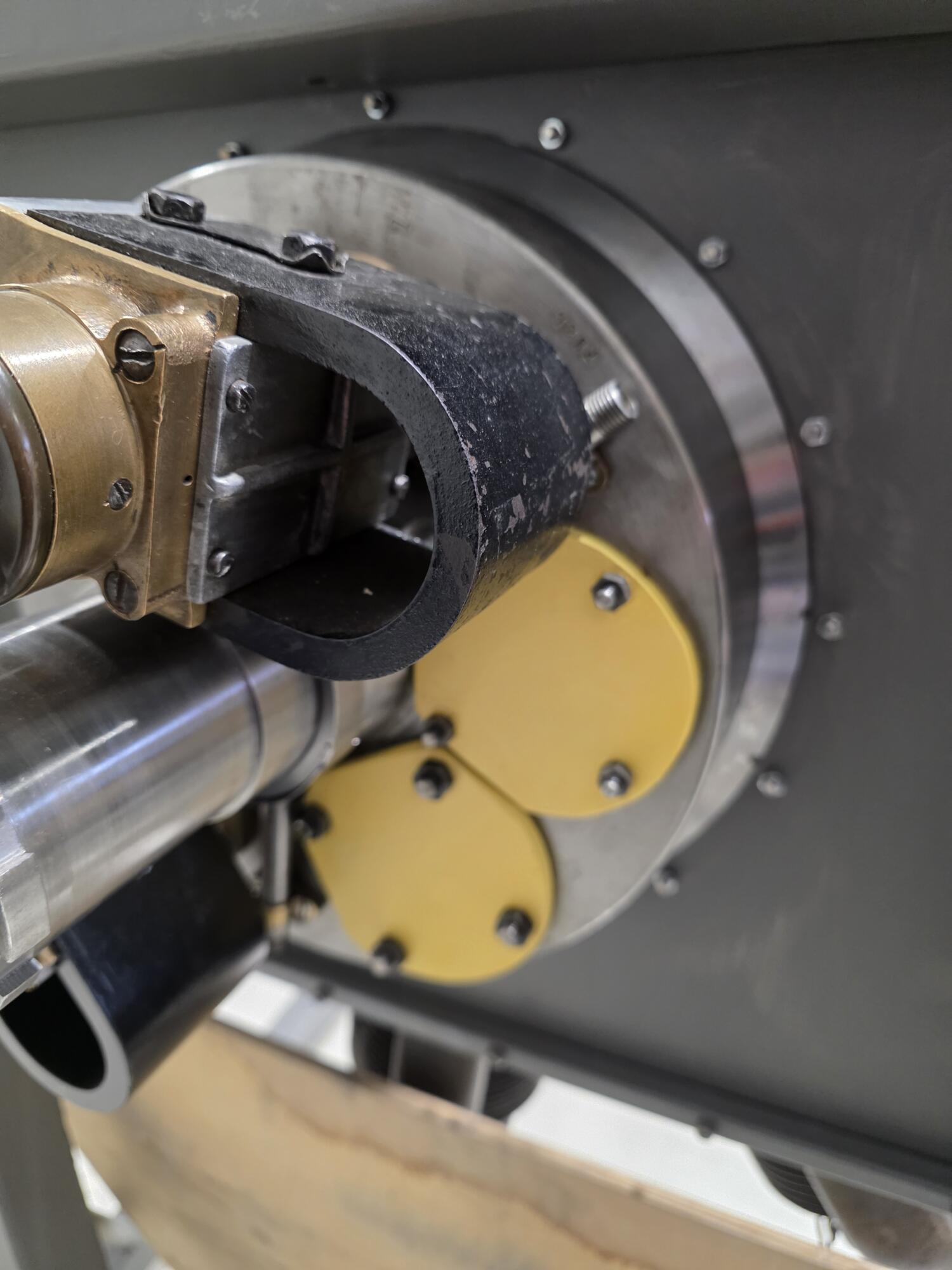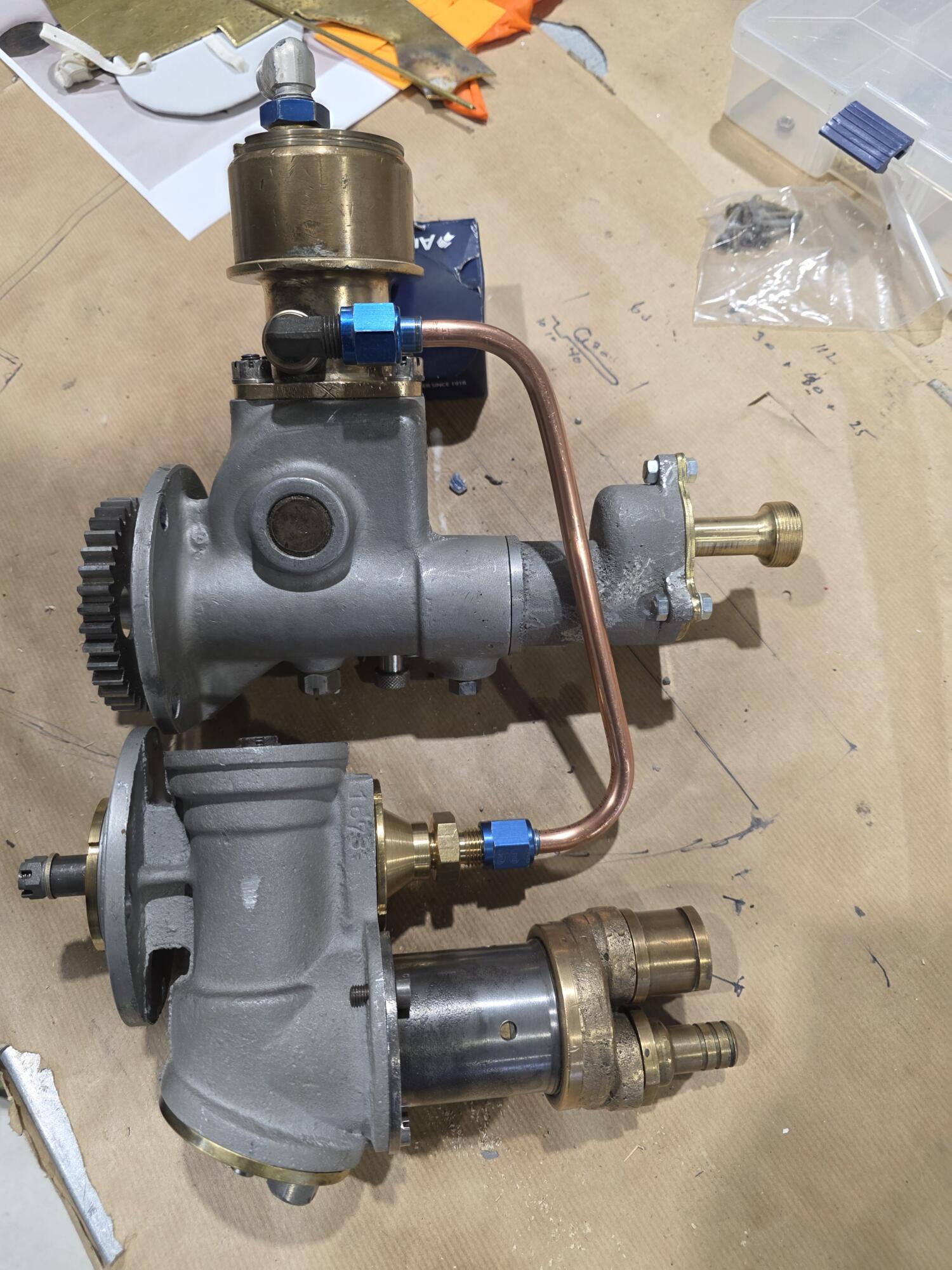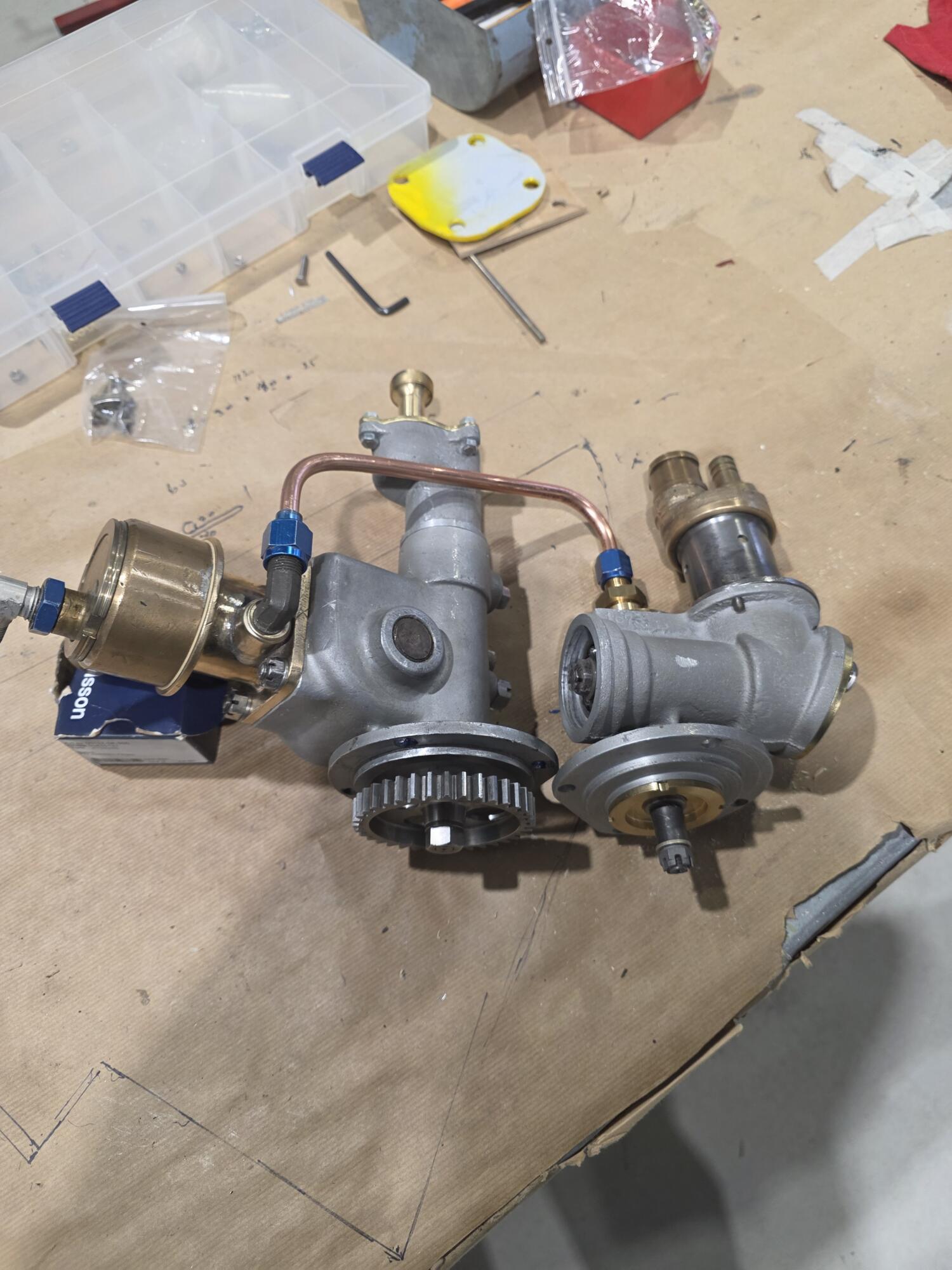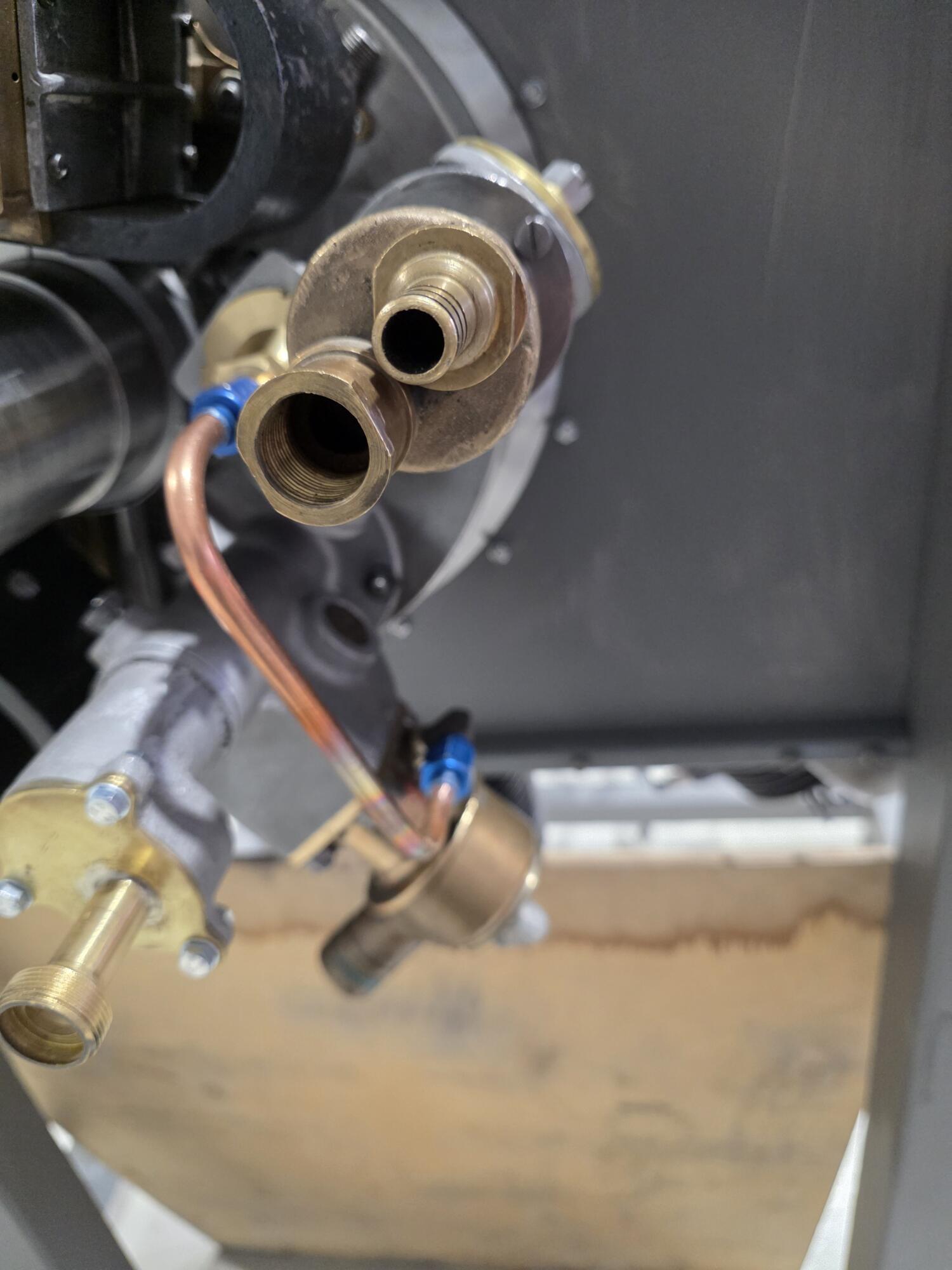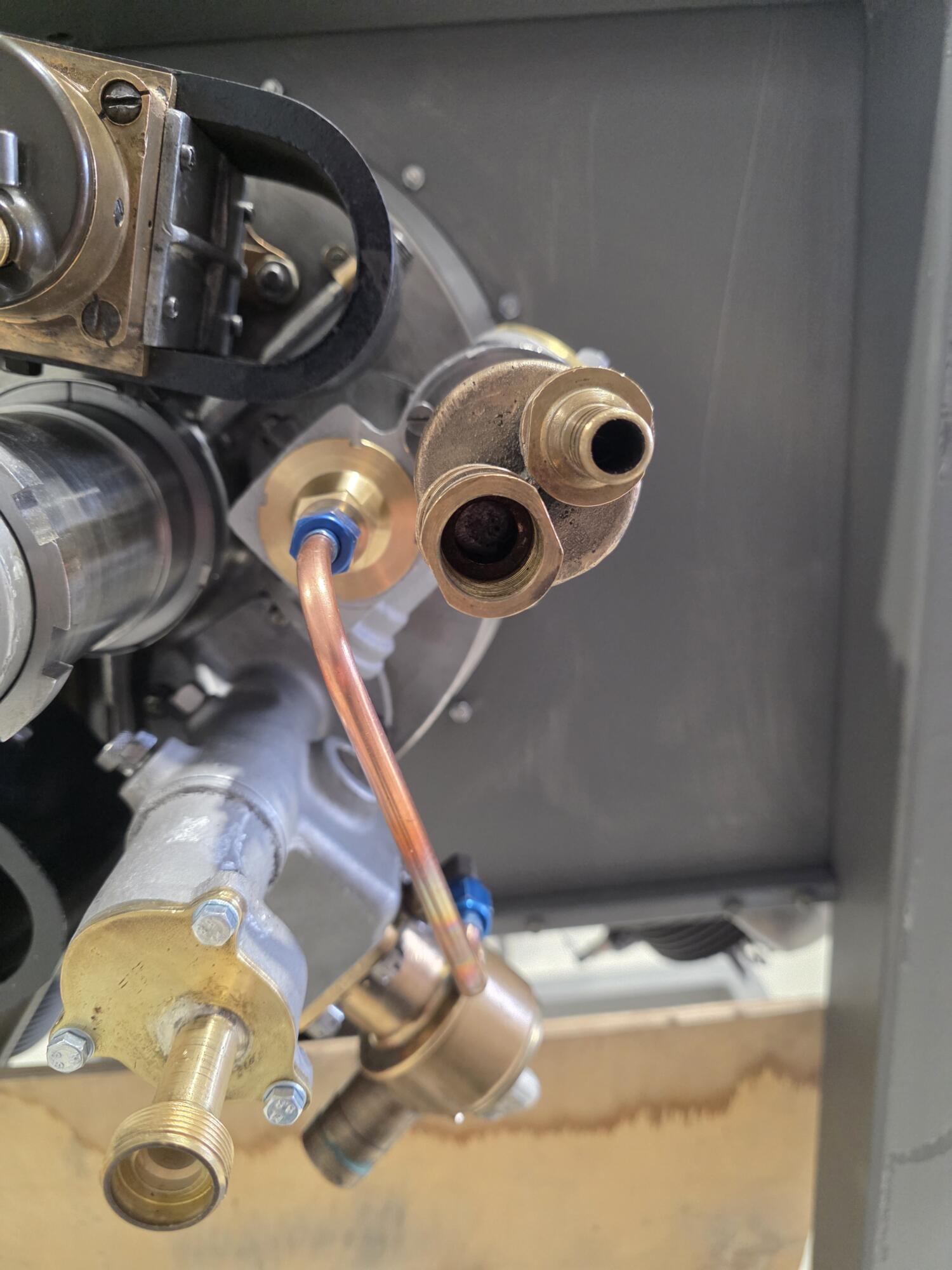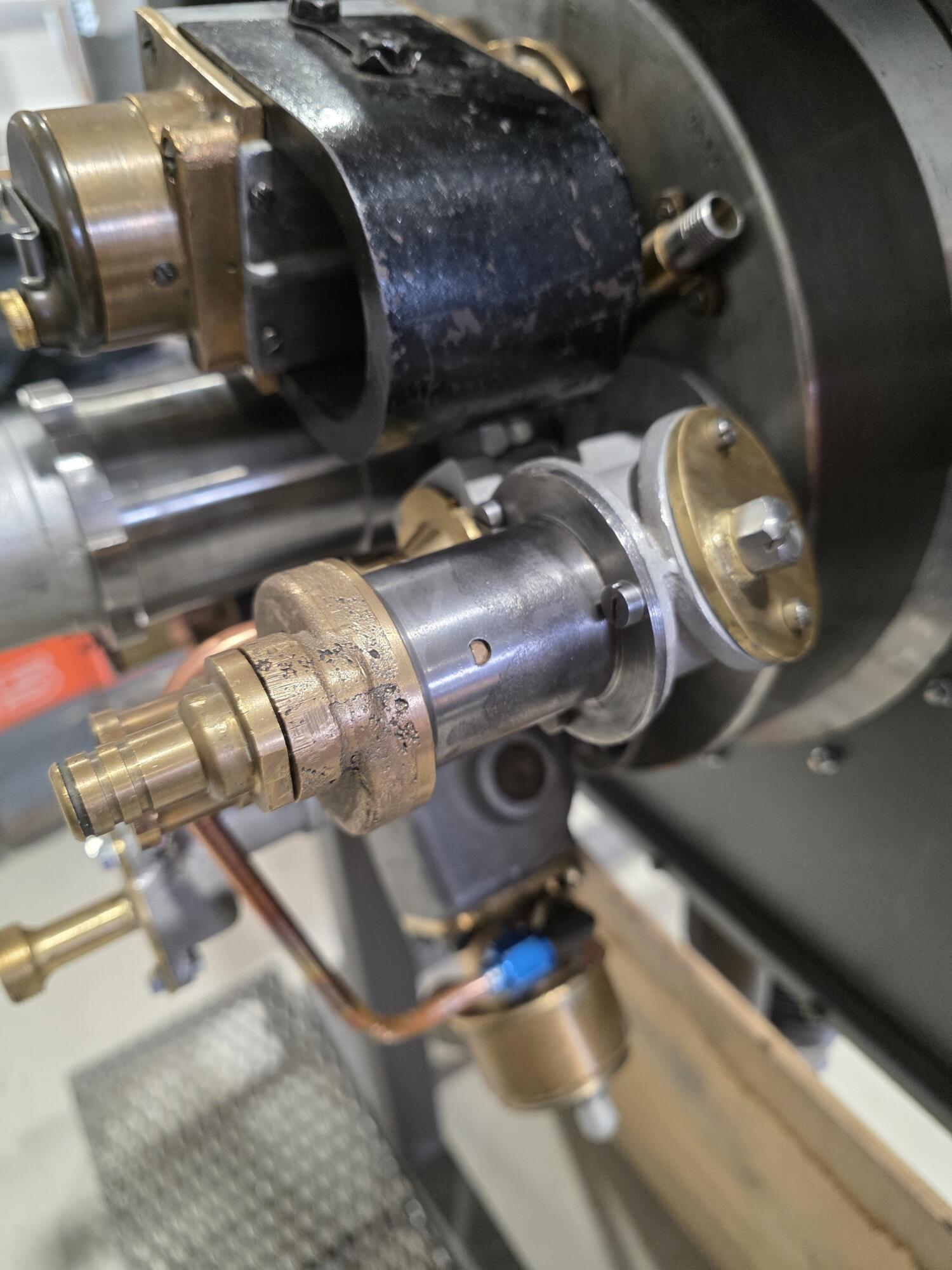
Pumps
As Gunnar digs deeper into the material around the engine, various variants turn up, and the question becomes "which variants do we have, and do we have the right parts?" This applies not only to the engine but also to the rest of the aircraft. The latest discovery, during the summer holidays, was that the aircraft was in fact fitted with something as newfangled and revolutionary as a radio in 1917. The first version was meant for telegraphy, which was thoroughly impractical for a single-seat fighter. A radio for voice communication was therefore quickly made. Our excellent conservator Andrea has promised us a near-perfect copy if she can get hold of the wooden box for the radio. From some worn photographs she is going to make the markings. It is good to have such colleagues among us. The next task is then to find out what kind of microphone was used, and what about the headphones?
As Gunnar examines the engine material more closely, several variants come to light, raising the question: which versions do we have, and do we have the correct parts? This applies to both the engine and the rest of the aircraft. The latest discovery, made during the summer holidays, was that the aircraft was fitted in 1917 with something remarkably modern for its time: a radio. The first version was designed for telegraphy, which was highly impractical in a single-seat fighter, so a voice communication radio was soon developed. Our skilled conservator, Andrea, has promised us a near-perfect replica if she can obtain the wooden radio box. She will recreate the markings from old, worn photographs. It is a real advantage to have such expertise among us. The next task is to determine what type of microphone was used—and what about the headset?
Click on the pictures