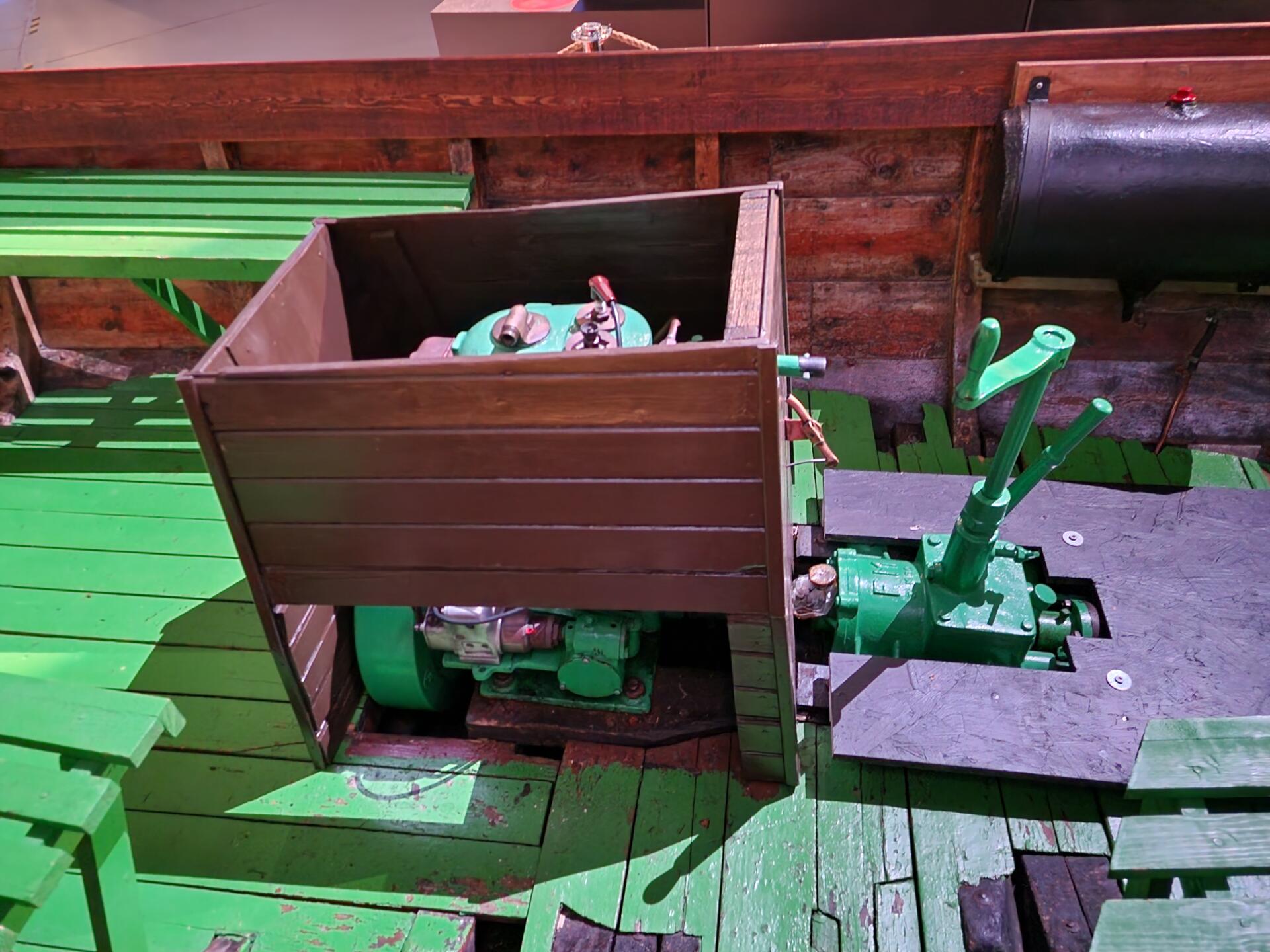
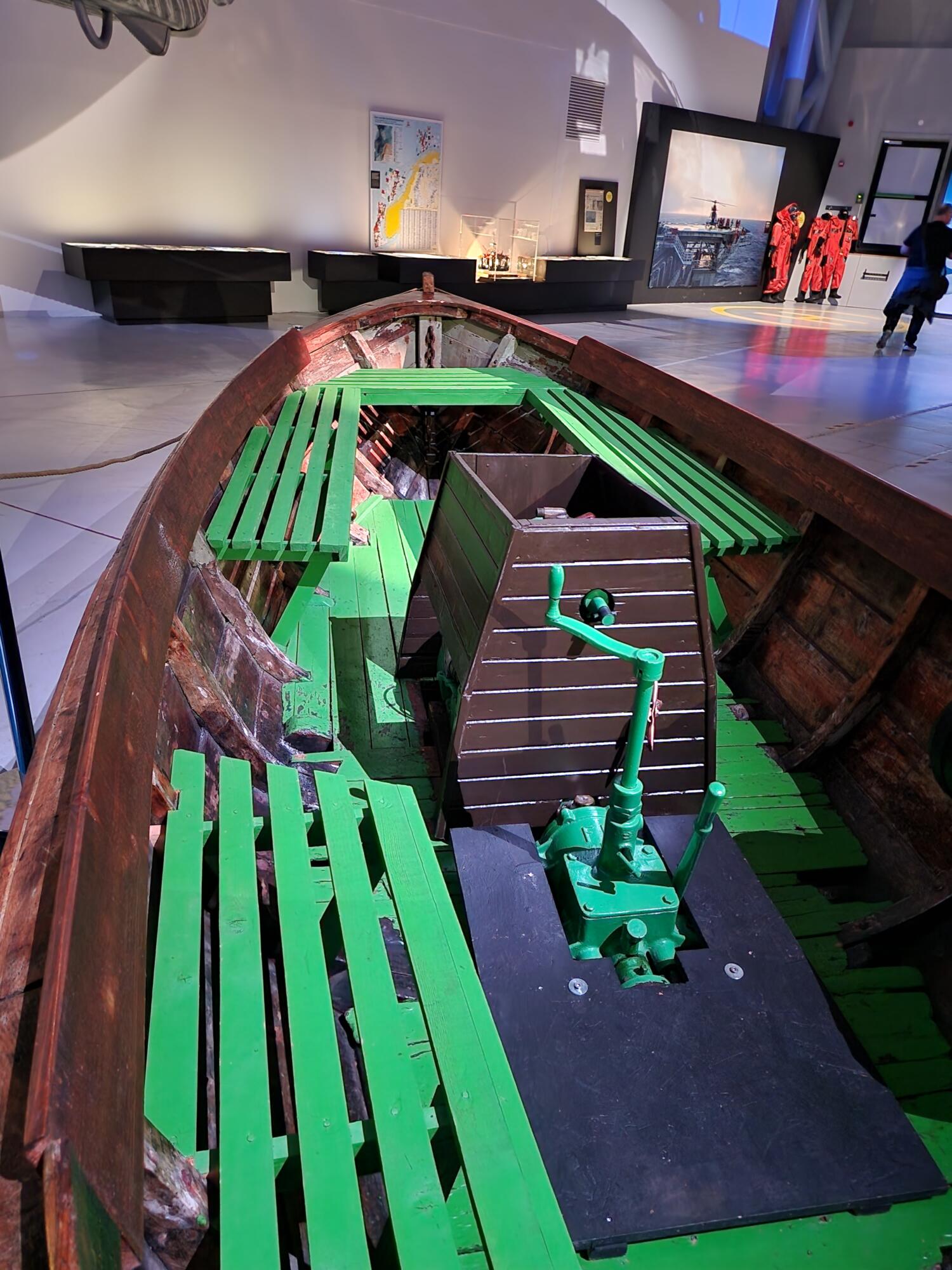
The FM engine in place in the boat

06/05/2023
20:46
Arvid Martinussen

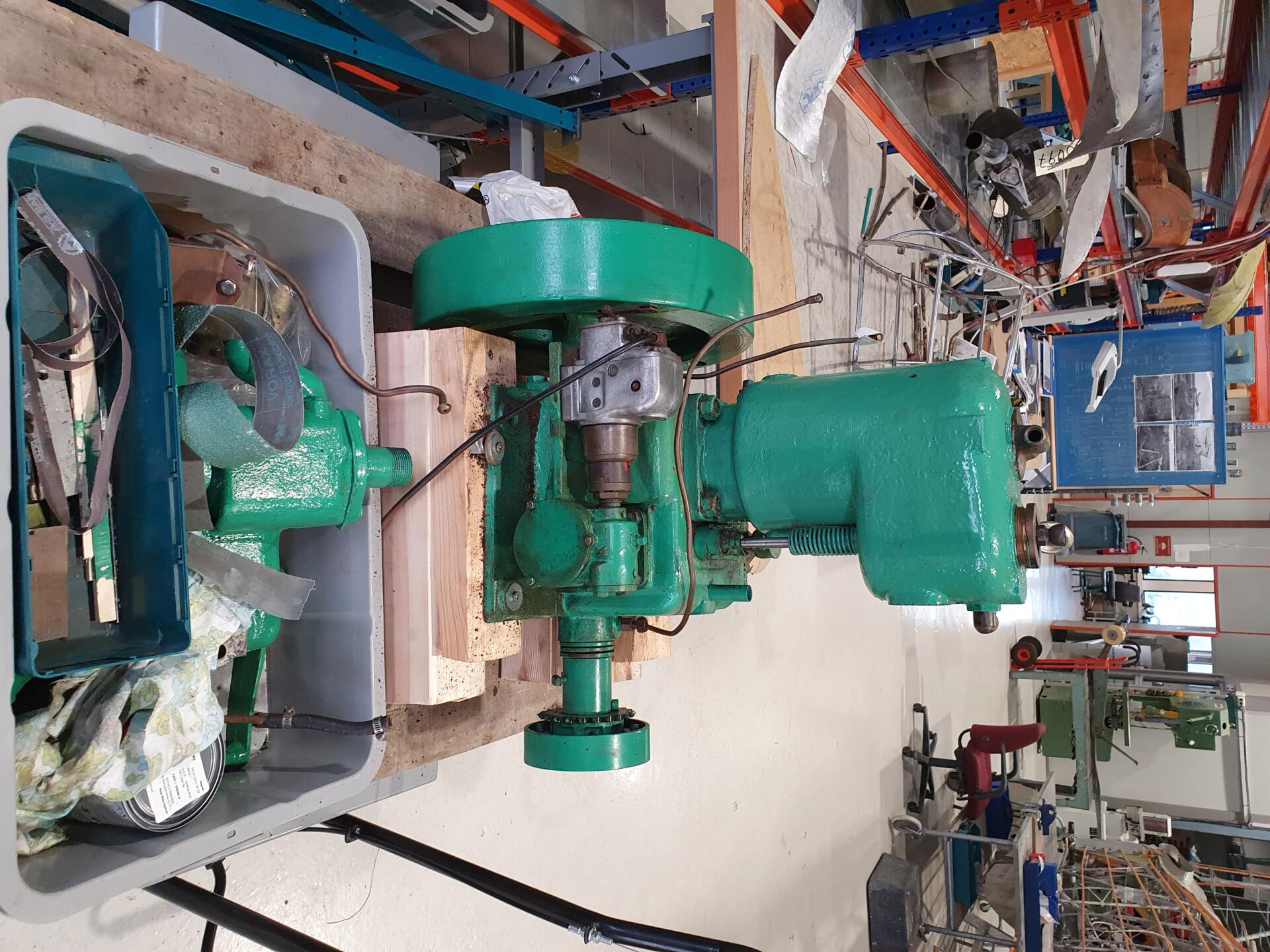
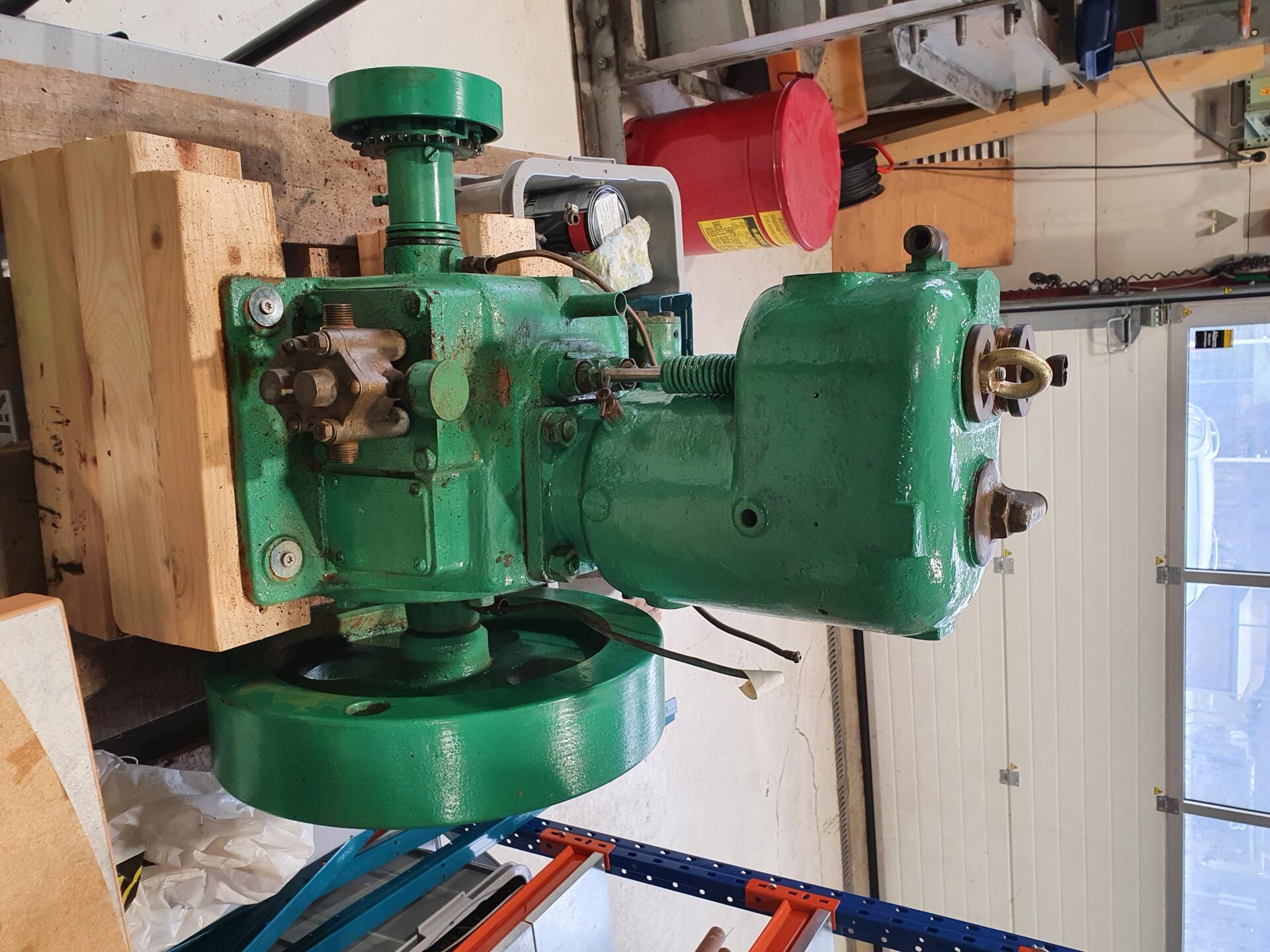
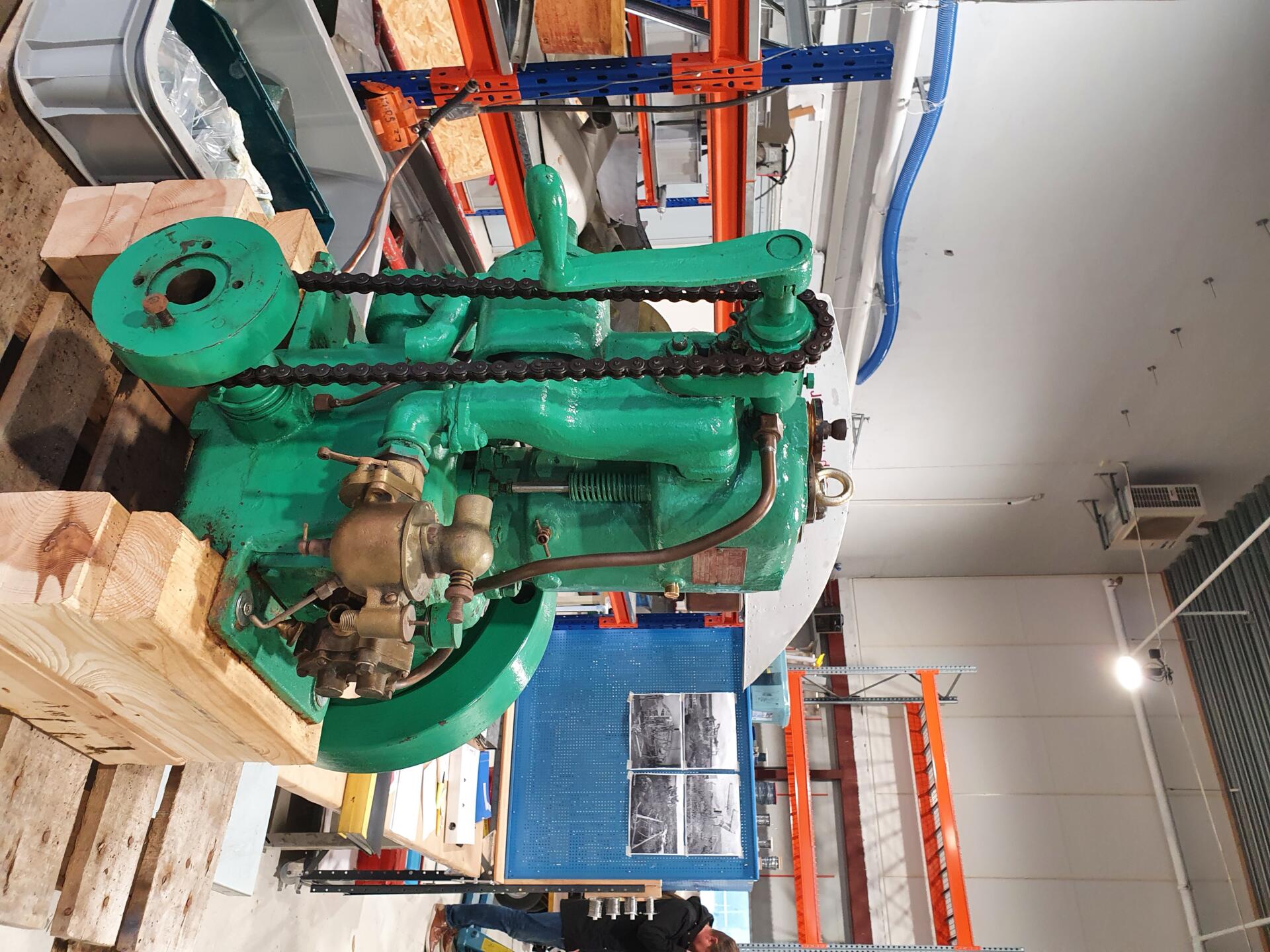
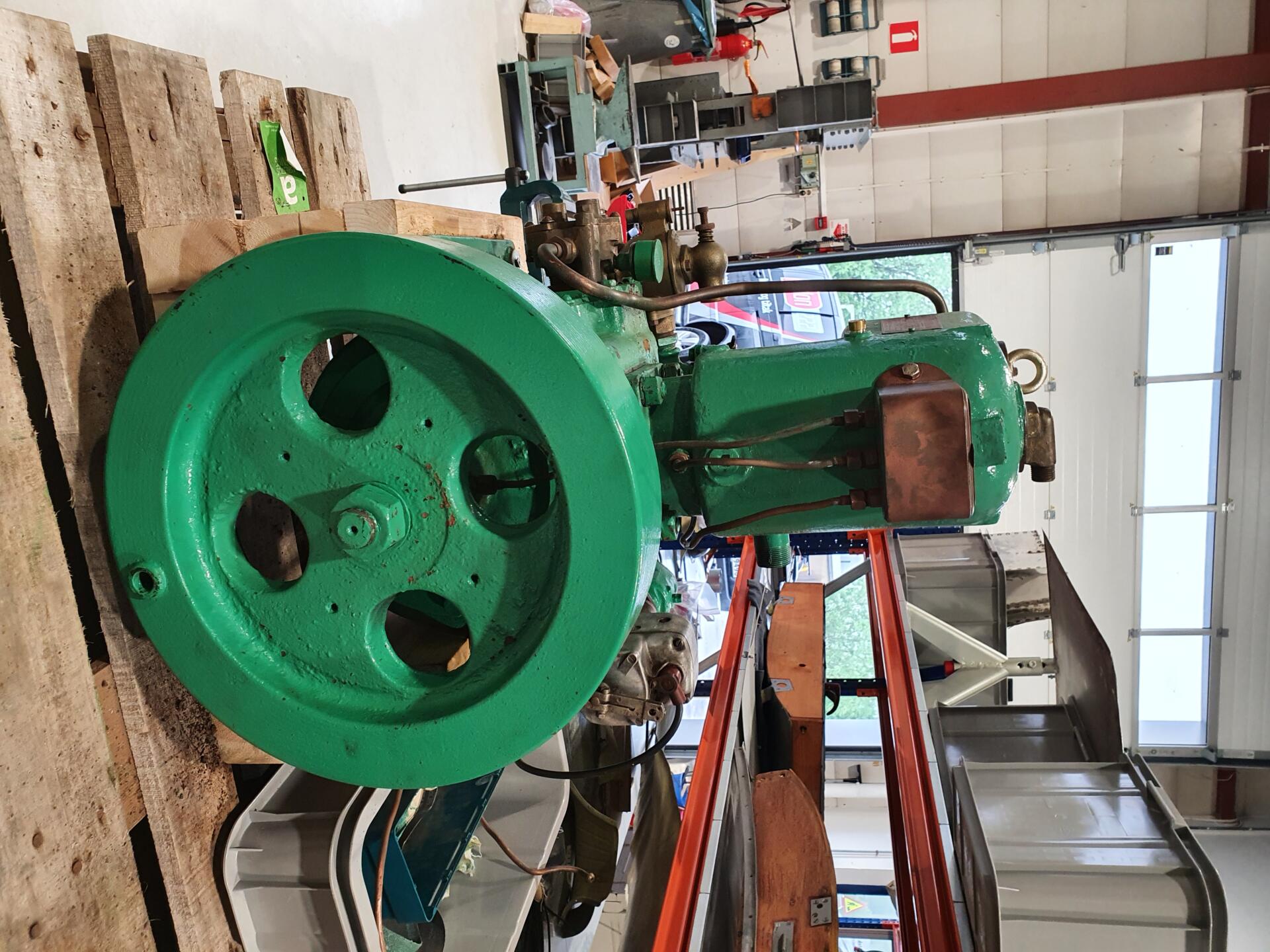
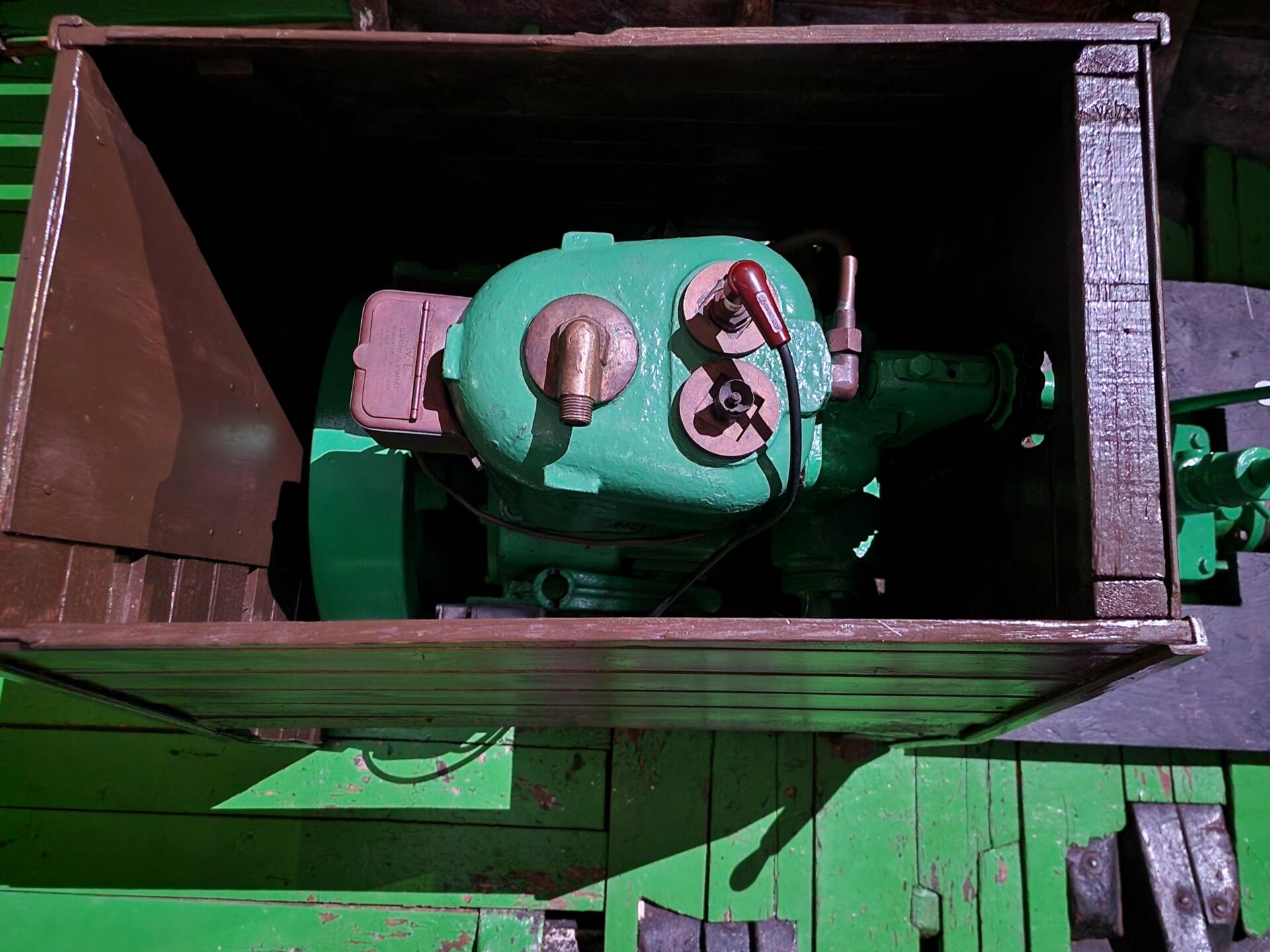
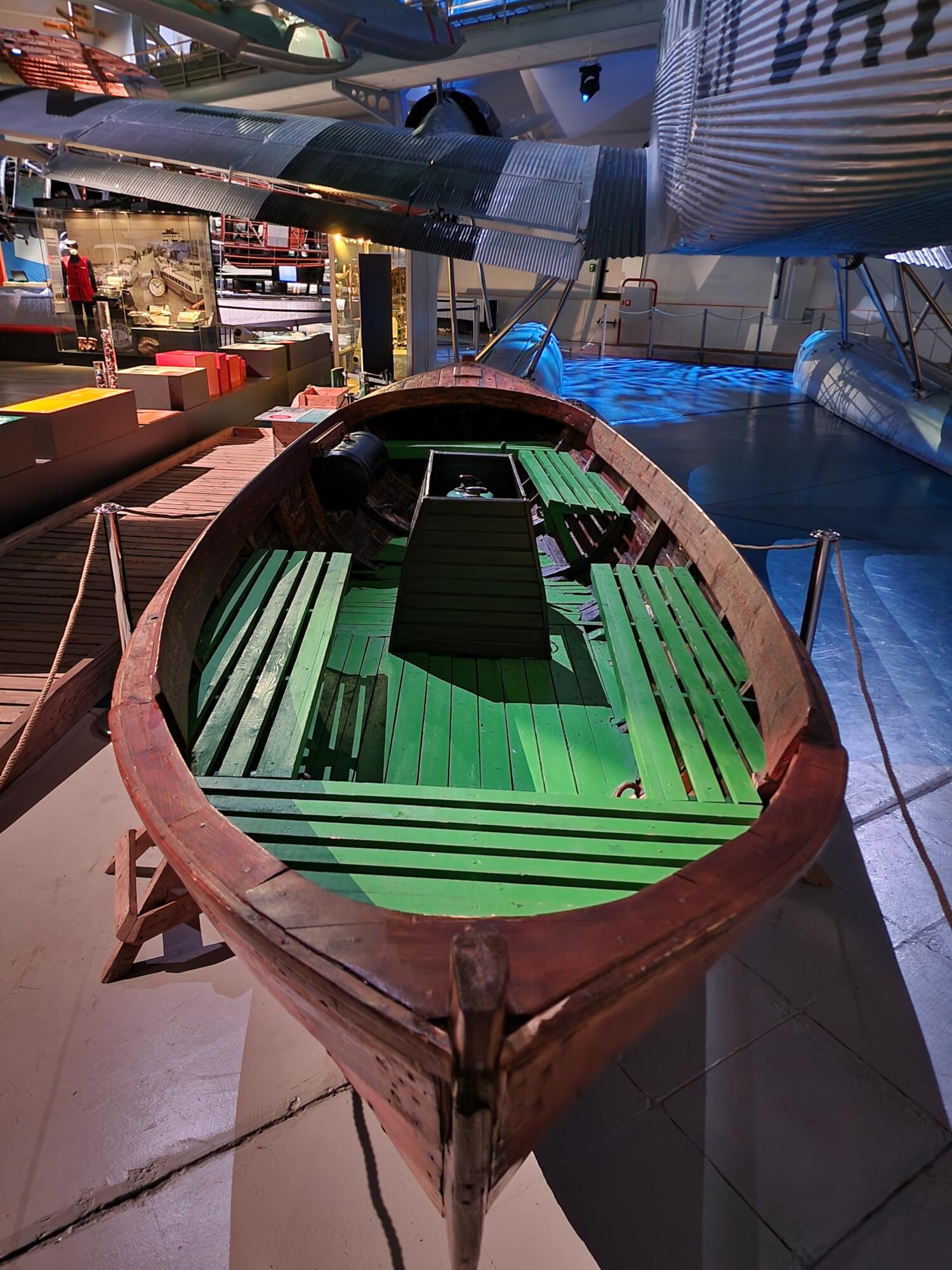
The FM engine in the expedition boat from the seaplane harbor at Sortland is about to be finished. Per is now putting it together.  The boat stands under the Ju 52 in the museum. You cannot see that the cylinder has been rust-blasted. All parts of the engine moves. The engine will probably start, but cooling will be a problem.

For those who come from more urban areas:

FM is short for Fredrikstad Motorfabrikk which was one of several engine manufacturers that made smaller engines that were used in sharks (a still popular smaller typ of fishing boat) and other smaller wessels in the period before and after the WWII.

In most places where the seaplanes landed, there was no pir to dock at. Instead, passengers and  mail were brought out to the planes or picked up by small open boats as in Sortland. This way of handling the seaplanes was used until we got the “Chicken Fields” (short runways) along the coast. These small airfields, named "Kyllingmarkene", in Norwegian, were named after the at the time Secretary of Transport Håkon Kyllingmark (H), who was the one who started the process of building these small airfields mainly located along the coast. His last name, Kyllingmark, translated into English, is chickenfield). At that time, Norway was a relatively poor country, but fortunately we could afford this revolution in aviation.

It has been decided that parts of the engine cover shall be made of Plexiglas so that visitors can see the engine.

Click on the pictures.

© Arvid Martinussen (AM)
4-stroke, single-cylinder, side-valve engine.
© AM
In profile it is clear that the engine is side-valve. The magneto for the ignition, bare part towards the flywheel.
© AM
This type of engine was equipped with a heavy flywheel. The cooling water pump at the bottom of the crankcase.
© AM
The engine could be started using an external crank. Carburettor and float chamber on the right.
© AM
A fold-out handle in the flywheel could also be used to start the engine. The oil reservoir with the wicks that provided the lubrication.
© AM
The engine mounted in the boat.
© AM
Spark plug, outlet for cooling water and a cup for an extra dram of petrol should it be needed on a slightly chilly day
© AM
Wooden benches, no cushions. Just as well the trip was short.
© AM
Not so big, but solidly built.